
All posts by Alan Zabolian

Can You Fix Crooked Teeth Without Braces?

A smile is an important part of your appearance, and, understandably, you might want it to look as good as possible. Crooked teeth are one of the most common cosmetic issues people want to resolve. But can you fix crooked teeth without braces? In this article, we answer this question and discuss how Invisalign treatment can help with misaligned teeth.

Can You Fix Crooked Teeth Without Braces?

There are several ways of fixing crooked teeth without traditional metal braces. The choice of a suitable method depends on the severity of the issues, personal preferences, and whether you want a permanent or temporary solution. Let us look at the three most commonly used methods, such as Invisalign, dental veneers, and bonding, in detail.

Clear Aligners

Clear aligners, such as Invisalign, are a great alternative to traditional braces because they offer an effective, permanent solution for crooked teeth and help improve overall oral health, as straight teeth are easier to clean effectively. In addition, orthodontic treatment with Invisalign improves bite alignment and facial symmetry and can help prevent TMJ-related issues.

Invisalign aligners have gained popularity as an alternative to braces, as they are made of colorless, transparent plastic and are almost invisible in the mouth. Additionally, they can be removed when you eat and brush your teeth, which means no dietary restriction and a more straightforward oral hygiene routine. Patients also report significantly less discomfort and irritation when wearing Invisalign, as clear aligners do not have metal parts that can rub against the soft tissues in your mouth.

Typically, an orthodontic treatment with Invisalign is just as effective as a treatment with traditional braces and takes approximately the same amount of time. However, Invisalign might not be suitable for severe misalignment or multiple issues, in which case traditional braces may be a more effective option.

Dental Veneers

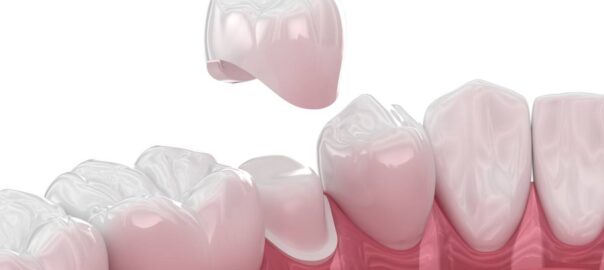
Dental veneers are thin shells, most commonly made of porcelain, that are applied to the front sides of the teeth. Veneers can be used for minor to mild cases of crooked teeth, among other issues. However, this method masks the issue rather than providing a permanent solution.
Additionally, veneers require tooth reduction (enamel removal) to be properly fitted, meaning they cannot be permanently removed and are a lifelong commitment. They last about 10 years and have to be replaced with a new set of dental crowns each time.

Dental veneers are unlikely to be recommended for severe tooth misalignment and, unlike orthodontic treatment, they do not offer bite alignment or facial structure improvements.

Dental Bonding

Similar to veneers, dental bonding with resin composite (the same material that is used for dental fillings) offers a purely cosmetic solution. It can be used for minor alterations to the shape of crooked, uneven, or slightly rotated teeth. Unlike dental veneers, bonding typically does not require significant tooth filing, as it is applied only to the areas that need adjustment. Bonding lasts 5 to 7 years with proper care and can be permanently removed in most cases.

Fix Crooked Teeth at Samaritan Dental

If you are considering an orthodontic or cosmetic treatment for crooked teeth, do not hesitate to make an appointment with an experienced dentist at Samaritan Dental. At our dental office, we offer our clients a wide range of services to accommodate their goals and needs and deliver reliable results. We are looking forward to your visit.
How to Avoid Cavities During an Orthodontic Treatment

Orthodontic treatments with braces or Invisalign can significantly improve the appearance of your smile and your oral health in the long run. However, if you do not establish an effective dental care routine, you risk developing cavities and gum disease. In this article, we discuss how to avoid cavities during orthodontic treatment.

How to Avoid Cavities During an Orthodontic Treatment

The risk of cavities increases during orthodontic treatment because appliances can trap food debris, saliva, plaque, and bacteria if your oral hygiene is not effective enough. Over time, bacteria and the acid that they produce weaken the enamel of your teeth and cause cavities. To avoid cavities during orthodontic treatment, ensure your oral hygiene is sufficient and that your diet does not promote bacterial growth.

Let us look at the most essential tips for effective oral hygiene when undergoing orthodontic treatment in more detail.

Floss Correctly

You should floss your teeth before brushing every evening. If you are wearing removable orthodontic appliances, such as Invisalign, you can floss your teeth without any additional difficulties. Use a waxed flossing thread to move it up and down between the teeth, cleaning each tooth on both sides and removing food debris. However, be gentle and do not push the floss too far into the gums to avoid bleeding.

If you are wearing braces, flossing might be slightly more challenging because of the wires running along your teeth. We recommend threading the floss under the wire to reach the top of the teeth, then removing the plaque with regular flossing motions.

Additionally, you can use specially designed floss threaders or interdental brushes to streamline the process. Adding a water flosser to your routine can also streamline the process, as this device helps loosen the plaque and food residue with a stream of pressurized water. However, remember that a water flosser should be used as an additional step before flossing and brushing with traditional tools.

Brush Your Teeth Thoroughly

Regardless of what type of orthodontic appliances you are wearing, you should brush your teeth twice a day for two full minutes. We recommend choosing a fluoride toothpaste, which strengthens enamel, and a soft or medium toothbrush that is effective at removing plaque without irritating the gums.

When brushing, pay special attention to hard-to-reach areas and clean well along the gum line with small circular motions. If you are wearing braces, be sure to clean above, below, and on the brackets at a 45-degree angle.

When wearing any orthodontic appliance, you should always brush your teeth after every meal in addition to brushing in the evening and every morning.

Clean Removable Appliances Correctly

If you are wearing Invisalign, your aligners have to be cleaned just as thoroughly as your natural teeth. We recommend following these tips:

  • Rinse your aligners well with lukewarm water every time you take them out (for example, for meals) and before putting them back in your mouth.
  • Clean your aligners twice a day with unscented soap and a soft-bristle toothbrush.
  • Soak your aligners in a special cleaning solution designed for clear orthodontic appliances for 15 to 30 minutes before brushing them in the evening.

This way, you will ensure that your aligners do not have a film of plaque and saliva and maintain their original appearance.

Get an Orthodontic Treatment at Samaritan Dental

If you are considering an orthodontic treatment with Invisalign or braces, do not hesitate to make an appointment with an experienced dentist at Samaritan Dental. We are looking forward to your visit.

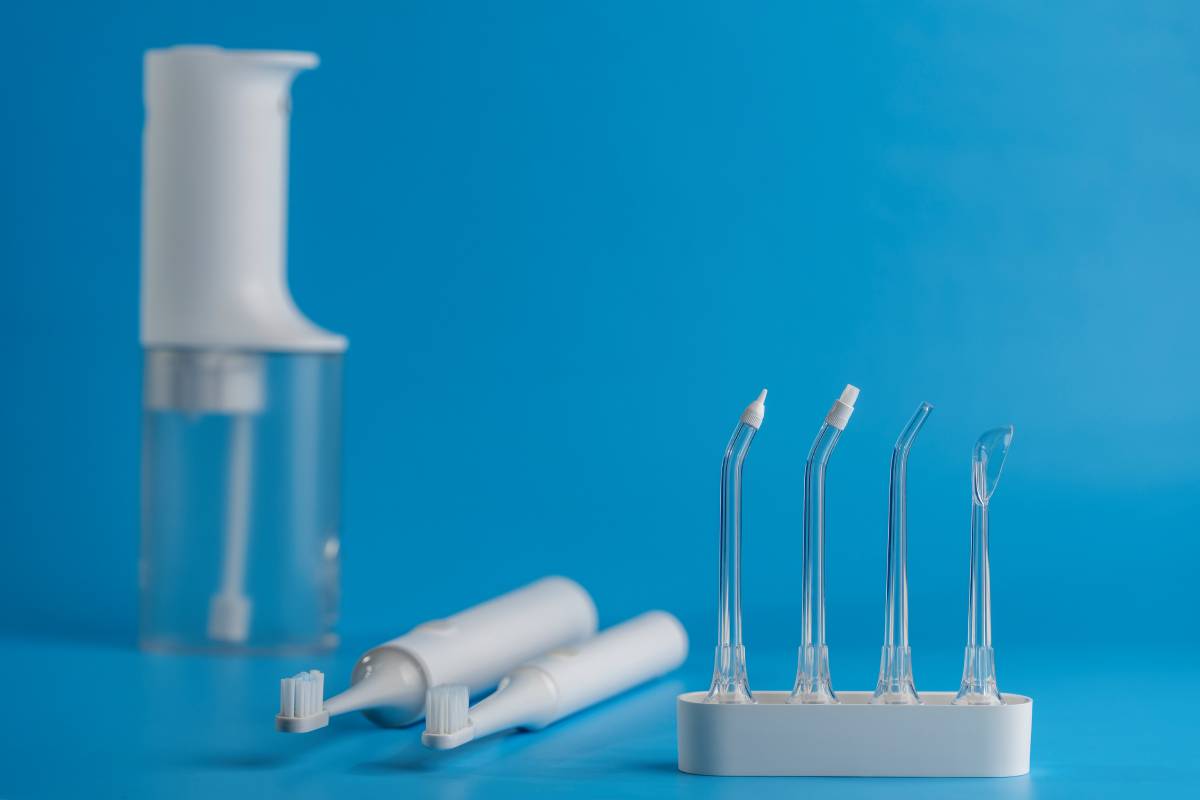
Portable oral dental flosser with different attachments and white electric toothbrushes on blue background.

Are Water Flossers Worth It?

Water flossers are often recommended for preventative dental care. But are water flossers really worth it? Please read our article to learn about the benefits of adding a water flosser to your daily oral hygiene routine.

Are Water Flossers Worth It?

Water flossers are worth it, and this device can be highly beneficial for your oral health when used correctly. Water flossers have been proven to help prevent gum disease and tooth decay as they are effective in loosening and removing food debris and plaque that accumulate between your teeth, in hard-to-reach areas, and along the gumline. Additionally, this device can be especially effective for people who have crooked or crowded teeth.

You will have an oral hygiene boost and health benefits only if you use your water flosser as an additional step to flossing and brushing. A water flosser won’t be effective if you use it instead of traditional flossing or brushing, which can lead to a decrease in your oral hygiene.

It is recommended to use a water flosser as the first step in your oral hygiene routine. Then, it is easier to remove the loosened plaque and food debris with a traditional floss and a toothbrush. Additionally, using a water flosser before brushing your teeth can help increase the effectiveness of your fluoride toothpaste, allowing the fluoride to better reach the surface of your teeth.

The Main Benefits of Using a Water Flosser

To summarize, let us list the main benefits of using a water flosser:

  • Deep cleaning: helps remove plaque and food debris in hard-to-reach areas and along the gum line
  • Improved gum health: helps reduce gum inflammation and risk of gum disease by improving general oral hygiene
  • Streamlines oral hygiene routine for people with dental appliances, such as dental bridges and braces: makes it easier to clean in hard-to-reach areas (underneath bridges or behind the wires)
  • Can be of help for people with reduced hand dexterity or arthritis
  • Can be used for a quick clean and breath refreshing after meals

How Do Water Flossers Work

A water flosser is a device that uses a pressurized water stream to clean your teeth. Typically, a water flosser device consists of:

  • a water reservoir or tank
  • the main body or handle with controls and a pump
  • a hose (for countertop models)
  • various interchangeable tips and nozzles (like classic, orthodontic, perio, or tongue cleaner)

To use a water flosser effectively, we recommend following these steps:

  1. Fill the reservoir with warm water (not hot, but also not too cold)
  2. Before switching the device on, place the nozzle in your mouth and lean over the sink
  3. Point the nozzle at a 90-degree angle to your gumline, starting with your back teeth
  4. If you are just starting to use a water flosser, use a lower pressure setting and gradually increase it as you get used to the process. Make sure not to irritate your gums by using pressure settings that are too high for your gums; this can cause pain.
  5. Move the nozzle from tooth to tooth, pausing briefly at each gap, and trace the gumline on the inside and outside of all teeth.
  6. When you finish cleaning, switch the device off before removing the nozzle from your mouth to prevent splashes.
  7. Empty and rinse the reservoir after every use to keep it clean and prevent bacterial proliferation.

Make an Appointment with an Experienced Dentist

To further boost your oral health, do not skip biannual professional cleanings, checkups, and fluoride treatments. Make an appointment with an experienced dentist at Samaritan Dental today. We are looking forward to your visit.

featured image for should kids wear a mouthguard for soccer

Should Kids Wear a Mouthguard for Soccer?

Using mouthguards and sports guards might not feel like the most glamorous practice. But even less appealing are the results of injuries or accidents when you do not wear one. Not all sports require a mouthguard, but many absolutely do. So should kids wear a mouthguard for soccer?

Should Kids Wear a Mouthguard for Soccer?

The general consensus is that, yes, you should have your kids wear a mouthguard for soccer. Without one, every collision runs the risk of lasting dental issues. From knocked-out teeth to biting their tongue, these injuries come in many shapes.

Importance of a Mouthguard for Soccer

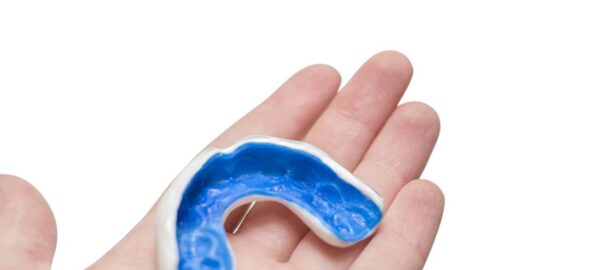
A mouthguard goes over the upper and lower rows of teeth. Ideally, it should be custom made for your kid’s bite. Otherwise, it could fit improperly and not provide sufficient protection. The right mouthguard will protect against dental and soft tissue injuries that can occur due to:

  • Accidental collisions
  • Falls
  • Flying elbows
  • Impact of the ball to the face
  • And more

True, soccer is not a full-contact sport like football. However, collisions happen multiple times every game. All it takes is for one of those to cause a notable injury. Soccer in particular places kids at high risk for facial and dental trauma. As such, mouthguards are recommended by organizations like the American Dental Association (ADA) to reduce the severity of injuries.

How Wearing a Mouthguard for Soccer Helps

Protection from Impact

A mouthguard protects more than your kid’s teeth. It also offers coverage against injuries to the gums, lips, and tongue. This single dental appliance protects against chips, breaks, and a range of other oral injuries.

Risk Reduction

No amount of protection offers a guaranteed way to avoid injury. But every level of protection further reduces that risk. Kids already wear shinguards for soccer, and many boys wear cups for added protection. But many parents overlook the teeth. Adding a mouthguard into the lineup gives your child that extra level of protection.

Cushioning Impact

A mouthguard offers that extra bit of cushion for any impact to the face. Soccer is filled with flying elbows, flailing hands, and shoes with spikes. That you can also use your head to field the ball introduces additional routine impact. Kids are not known for their amazing control of their bodies. What might be intended as a header can quickly shift into fielding the ball directly with their face.

Added Protection for Specific Cases

If your kid has braces, then they have an added reason to wear a mouthguard. Impacts to teeth with braces present additional risk for harming the mouth’s soft tissues. Your kid might not be happy about it, but their safety should come first.

What Matters for a Mouthguard for Soccer

Proper Fit

A one-size-fits-all approach doesn’t work with mouthguards. You need a custom-made appliance that forms to your kid’s unique jaw shape and teeth alignment.

Quality Material

A mouthguard that cannot stand up to strain will not offer great protection. Custom-made sports guards from a dentist are made from lab-quality materials designed to last.

Proper Use

Improperly wearing a mouthguard will cut down on its function. When you buy one from a store, you miss out on expert instruction for its use. With every custom-made mouthguard, your dentist will walk both you and your kid through its proper use, storage, and maintenance. Also, ask any questions (and get pro tips).

Custom Mouthguards for Sports

At Samaritan Dental Arts, our dentist provides custom mouthguard fabrication for patients of all ages. Set up a visit, get an exam, and be one step closer to protecting your kid’s teeth for life.

Little baby starting brushing a teeth after the bath.

How to Start Oral Care for Babies and Toddlers

Healthy baby teeth are crucial for chewing, speech, and making space for permanent teeth, so proper care is extremely important for correct development. One of the most common questions parents ask is how to start oral care for babies and toddlers. In this article, we give recommendations on oral health care for kids.

How to Start Oral Care for Babies and Toddlers

Oral care should start even before the first teeth appear. Below, we discuss why oral care is essential and how to make your child’s oral hygiene routine effective.

Why Oral Care for Babies and Toddlers Is Important

Early oral care is crucial for the proper development and overall health of a baby:

  • Mouth infections can affect jawbone development and the health of future permanent teeth.
  • Oral infections, particularly gum disease, are closely associated with heart, lungs, and joint issues.
  • Chronic pain or premature tooth loss caused by oral infections can disrupt speech development, nutrition (due to difficulty eating certain foods), mood, and learning ability of your child by causing excessive and chronic stress.
  • Premature baby tooth loss due to infection is likely to lead to orthodontic issues when permanent teeth erupt. Baby teeth guide proper jaw and facial development and hold space for permanent teeth.

Oral Care for Babies (0-12 Months)

We recommend following these steps to establish an effective oral care routine for babies:

  • Wipe your baby’s gums once a day (best before bedtime) with a clean, damp washcloth or a soft silicone finger brush. This routine removes milk residue and helps your baby get used to oral hygiene.
  • When the first teeth appear (usually around 6 months), switch to a soft, infant-sized toothbrush.
  • Schedule a dental visit when the first teeth begin to erupt. Your pediatric dentist will check the health of your baby’s teeth and gums and determine if any orthodontic issues might occur and require treatment in the future. In addition, your dentist will examine your baby’s jawbone to determine whether it is developing correctly.
  • Avoid putting the baby to bed with a bottle, as milk that lingers on the teeth overnight increases the risk of tooth decay.

Oral Care for Toddlers (1–3 Years)

  • Starting at age 1, it is recommended to brush your child’s teeth twice a day with a rice-grain-sized amount of fluoride toothpaste. Make sure your child does not swallow toothpaste.
  • Choose a soft-bristled brush with a small head suitable for toddlers.
  • As soon as the teeth are close enough to touch, start flossing gently between them once a day, preferably before bed.
  • Encourage your child to learn good oral hygiene habits. You can use songs, games, and your kid’s favorite stuffed animals to make oral hygiene enjoyable. Additionally, illustrated books can help your child adopt a more positive outlook on their oral hygiene routine and dental visits.
  • Allow your child to try brushing and flossing, but do the actual brushing yourself to ensure that all plaque and bacteria are removed.
  • Schedule checkups, professional cleanings, and fluoride treatments with your pediatric dentist every 6 months. This way, you will ensure that your child’s teeth are free of plaque and tartar and the enamel is strong and resilient to decay.
  • Limit sugary snacks and drinks, as they promote bacterial growth in the mouth and weaken enamel. Instead, teach your child to drink plenty of water between meals to keep their mouth moist and to naturally wash away bacteria.

Make an Appointment at Samaritan Dental

Do not hesitate to schedule an appointment for your child with an experienced family dentist at Samaritan Dental. We are looking forward to welcoming you and your family to our dental office.

featured image for how long will your veneers last

How Long Will Your Veneers Last?

Composite or porcelain veneers can dramatically enhance the appearance of your smile in just a couple of dental visits. But how long will your veneers last? In this article, we address this question and give tips on effective veneer care.

How Long Will Your Veneers Last?

Typically, veneers are made of porcelain or resin composite. The primary difference between these two materials lies in their longevity. Porcelain is a more durable and stain-resistant material compared to resin composite. Porcelain veneers can last 10 to 15 years with proper care, while resin composite veneers typically last 5 to 7 years.

Apart from the material your veneers are made of, your veneer care routine and your lifestyle habits will also influence their longevity. Let us look at several rules that will help you prolong the lifespan of your veneers, regardless of the material they are made of.

How Your Oral Hygiene Habits Influence the Longevity of Your Veneers

If you have insufficient oral hygiene, food residue and plaque will accumulate on your teeth over time. Additionally, plaque can harden and turn into tartar if not removed in a timely manner. Plaque and tartar accumulation can lead to surface staining or discoloration of your veneers.

On top of that, bacteria that live in plaque and tartar can cause tooth decay beneath your veneers and gum disease. Often, to treat these issues, veneers have to be removed and then replaced with a new set.

To ensure that your oral hygiene is sufficient, we recommend following these rules:

  • Brush your teeth twice a day with fluoride toothpaste. Fluoride will strengthen your natural teeth underneath veneers and help reduce bacterial growth in the mouth.
  • Spend at least two full minutes brushing your teeth on the front, back, and along the chewing surface of each tooth. Also, pay special attention to brushing along the gum line, but be careful not to hurt the gums in the process.
  • Floss every evening. If traditional flossing is challenging, try floss threaders or interdental brushes. Make sure to effectively remove plaque from between your teeth, but do not push the floss too deeply into the gums to avoid bleeding and irritation.
  • Add a water flosser to your routine. This device has been proven effective in loosening debris and plaque between teeth, making subsequent traditional flossing and brushing more effective. However, remember that a water flosser should be an addition to your routine, and it cannot replace traditional brushing and flossing.
  • Rinse your mouth after meals. You can also use a water flosser to remove food residue more effectively.

Proper Products for Veneer Care

Avoid whitening and abrasive products when cleaning your veneers. Such products can damage the surface of your veneers, creating minor scratches that can trap food particles and bacteria. As a result, your veneers can become stained and discolored. Instead, use a soft or medium soft brush and fluoride toothpaste.

Your Dietary Habits and Veneer Longevity

Some foods can damage, stain, or even break your veneers. We recommend avoiding the following:

  • Hard and crunchy foods, such as crackers, popcorn with seeds, and foods that require a lot of force to bite off a piece (such as hard apples). You should also avoid cracking nuts with your teeth, chewing on hard objects, or using your teeth as tools.
  • Sticky foods that can dislodge your veneers
  • Staining foods and beverages (beetroot, black coffee and tea, soda and candy with artificial dye, curry and other brightly colored spices, red wine, etc.). If you consume such foods, rinse your mouth or brush your teeth immediately after the meal.

Get High-Quality Veneers at Samaritan Dental

Schedule an appointment with an experienced cosmetic dentist at Samaritan Dental to receive high-quality, long-lasting dental veneers. We are looking forward to your visit.

Featured image for Can Obstructive Sleep Apnea Be Cured?

Can Obstructive Sleep Apnea Be Cured?

Obstructive sleep apnea can significantly decrease your quality of everyday life and lead to numerous negative consequences for your general health. But can obstructive sleep apnea be cured? In this article, we discuss treatment methods for obstructive sleep apnea.


Can Obstructive Sleep Apnea Be Cured?

Obstructive sleep apnea (OSA) is a chronic condition. It leads to a repeated collapse or blockage of the airways, resulting in interrupted breathing during sleep. Whether it can be fully cured depends on the cause and severity of the condition:

  • Obstructive sleep apnea in children with enlarged tonsils or adenoids can be cured by surgical removal of the tonsils or adenoids.
  • Significant, sustained weight loss can eliminate OSA for some adults.
  • Surgical correction of structural issues (for example, jaw abnormalities) may offer permanent resolution in some cases.

In cases where obstructive sleep apnea cannot be fully cured, it can often be effectively managed with the correct combination of procedures and lifestyle changes. Let’s examine these treatment options and lifestyle changes in more detail.


Lifestyle Changes

  • Weight loss can significantly reduce or eliminate symptoms in individuals who are overweight.
  • Avoiding alcohol, smoking, and sedative medications may also improve airway stability.
  • Sleeping on your side instead of your back may help reduce episodes of interrupted breathing.
  • Improving sleep hygiene and the quality of sleep can also help reduce episodes of interrupted breathing.


CPAP (Continuous Positive Airway Pressure)

Continuous positive airway pressure is a non-invasive therapy and the most common and effective treatment for obstructive sleep apnea. It involves using a special machine that delivers a steady stream of air pressure through a mask worn over your nose, or nose and mouth, while you sleep. This device can help with the following:

  • Keeps the airway open with a constant stream of air.
  • Prevents pauses in breathing (apneas) and loud snoring
  • Helps maintain steady oxygen levels throughout the night (which also has a positive effect on the overall health of the patient)


Oral Appliance Therapy

Oral appliance therapy is a non-invasive treatment option for mild to moderate obstructive sleep apnea (OSA) and snoring. It involves wearing a custom-fitted dental device, similar to a mouthguard, during sleep. It works by repositioning the lower jaw (mandible), tongue, or soft palate to prevent airway obstruction. A dental specialist typically provides such appliances.

The most common type of oral appliance is the mandibular advancement device, and it has several benefits:

  • Widening of the airway
  • Preventing the tongue from collapsing backward
  • Reducing soft tissue vibration that causes snoring
  • Minimizing pauses in breathing caused by airway blockage

Additionally, tongue-retaining devices (TRDs), which hold the tongue in a forward position, can be used to prevent airway obstruction.


Surgery

When part of a comprehensive treatment plan, procedures such as uvulopalatopharyngoplasty (UPPP), nasal surgery, or jaw advancement can offer lasting relief from obstructive sleep apnea symptoms. Additionally, as mentioned earlier, tonsillectomy or adenoid removal may be effective in treating OSA in children.


Inspire Therapy

Inspire therapy is a treatment option for people with moderate to severe obstructive sleep apnea (OSA) who cannot tolerate CPAP therapy or in cases when it is not effective. This method utilizes a device surgically implanted in the chest that stimulates the airway muscles to remain open.


Treat Obstructive Sleep Apnea at Samaritan Dental

Obstructive sleep apnea can result in negative consequences, including daytime fatigue, poor quality of life, high blood pressure, heart disease, stroke, and type 2 diabetes. If you notice any symptoms of OSA, schedule an appointment with an experienced dentist at Samaritan Dental as soon as possible to prevent it from impacting your overall health and quality of life.

Featured image for How Long Do Dental Crowns Last?

How Long Do Dental Crowns Last?

Dental crowns are a dental restoration solution often used to save a severely decayed or damaged tooth from extraction. A crown is a cap that covers the top of the tooth to protect it from damage and restore its function and appearance. But how long do dental crowns last? In this article, we discuss the factors that can influence the lifespan of your crowns and give tips on how to prolong it.


How Long Do Dental Crowns Last?

Dental crowns can be made of several different materials, which will partially determine their longevity. Other factors that can influence how long your dental crowns will last include:

  • The efficiency of your oral hygiene
  • Your dietary habits
  • Your lifestyle habits
  • Presence of underlying oral health issues
  • Frequency of professional dental cleanings and checkups

Let us start by looking at the longevity and pros and cons of different materials used for making dental crowns.


Resin Composite Dental Crowns 

Resin composite is a versatile material commonly used in dentistry, for example, for dental fillings, veneers, and dental crowns. The advantages of this material are that it is tooth-colored, so it looks natural in the mouth, and it can be less expensive than some other options. 

However, resin composite is one of the less durable materials for dental crowns, with an average longevity of between 5 and 10 years.


Porcelain Dental Crowns

Porcelain is one of the most commonly used materials in dentistry. It offers a very natural look due to its slight translucency and remarkable durability. Porcelain dental crowns are typically more expensive than resin composite ones, but they can last for up to 15 years with good care. 


Metal Dental Crowns

Metal, such as silver amalgam or gold, is one of the strongest materials for dental crowns, with a potential longevity of up to 20 years or longer in some cases. However, nowadays, these materials are less popular because they are highly noticeable in the mouth. Gold or silver amalgam dental crowns are mainly used to treat teeth at the back of the mouth, which are not visible when you speak or smile.


Porcelain-fused-to-metal Dental Crowns

Porcelain-fused-to-metal dental crowns offer both the durability of a metal base and the natural appearance of porcelain. This option can last for 15 years or longer. However, porcelain that coats metal can wear off quickly. 


Zirconia Dental Crowns

Zirconia is another natural-looking material that can potentially be more durable than porcelain. They last for up to 15 years. However, zirconia crowns are often more expensive than other options.


Tips on Dental Crown Care to Prolong Its Lifespan

Regardless of the material your dental crown is made of, proper daily care is crucial for maintaining its shape over time. Here are some tips that can help you prolong the lifespan of your dental crown:

  • Remember that efficient and thorough oral hygiene should be your priority. Bacteria that live in plaque and tartar that accumulate in your mouth if it is not cleaned regularly are the biggest enemies of your oral health and your dental restorations. Dentists recommend brushing your teeth for two full minutes twice a day with fluoride toothpaste and flossing every evening. Also, try adding a water flosser as a first step of your routine (but keep in mind that it is not a replacement for traditional brushing and flossing.)
  • Visit your dentist twice a year for professional cleanings and checkups. This way, you will be able to identify any potential issues with your crowns and address them before they become serious problems.
  • Be mindful of what you eat: avoid sticky, hard, and crunchy foods, as they can chip, crack, dislodge, or scratch your crowns. Additionally, staining foods, such as red wine, coffee, tea, berries, beetroot, and curry, can cause discoloration of your crowns. We recommend avoiding these foods or brushing your teeth immediately after consuming them.
  • Protect your dental crowns from physical damage. Wear a mouthguard if you play contact or extreme sports, and avoid using your teeth as tools. Additionally, if you have bruxism, consider wearing a mouth guard at night and consult with your dentist to address the issue. 


Get a Long-Lasting Dental Crown at Samaritan Dental

Do not hesitate to make an appointment with an experienced dentist at the Samaritan Dental office today. At our clinic, we utilize high-quality dental crown materials that provide durability and reliability. Our specialists are looking forward to your visit.
Featured image for Do You Need to Wear a Mouthguard While Playing Sports?

Do You Need to Wear a Mouthguard While Playing Sports?

Sports can be fun and have a profoundly beneficial impact on your overall health. But do you need to wear a mouthguard while playing sports? In this article, we discuss the benefits of mouthguards for both amateur sports lovers and professional athletes. 


Do You Need to Wear a Mouthguard While Playing Sports?

A mouthguard is a dental appliance typically made of ethylene-vinyl acetate (EVA) or other thermoplastic materials. It usually covers both the upper and lower arches of your teeth. The purpose of the mouthguard is to create a protective barrier for your teeth, gums, and jawbones and to absorb the force in the event of a facial impact. The main benefits of the mouthguard include:

  • A mouthguard protects you from facial bone fractures
  • A mouthguard protects your teeth from being broken, chipped, cracked, or knocked out 
  • A mouthguard lowers the risk of tooth root damage and blood vessel and soft tissue damage

Regardless of whether you are a professional athlete or play sports for fun, wearing a mouthguard during games, practice, and competition can benefit your oral health and prevent expensive and time-consuming treatments in the future. 

Most sports activities, especially extreme and contact sports, can result in falling or getting hit in the face. As a consequence, facial bone fractures are a common occurrence among athletes. Also, facial and oral traumas often lead to tooth root damage and blood vessel damage. Both types of injuries can result in tooth loss. These traumas can be especially inconvenient for those who need to train for competition, as the injury can put them out of commission for weeks. 

A mouthguard is specially designed to absorb the force from an impact to the face, thus preventing jawbone fractures. Additionally, a mouthguard creates a protective barrier for the teeth, preventing them from being broken, knocked out, cracked, or chipped. Thus, your mouthguard can eliminate the need for costly and complicated procedures, such as veneers or implants, in the future. 


How to Choose a Mouthguard

There are two main types of mouthguards you can choose from, depending on your budget and personal preferences:


Over-the-counter Mouthguards

Over-the-counter mouthguards are premade, meaning that they can be only minimally customizable, if at all. Boil-and-bite mouthguards can be adjusted to the shape of your jaw and teeth to some degree. Those worn straight out of the box, however, can not be adjusted in any way.

Premade over-the-counter mouthguards may not be the most comfortable solution, as they are designed for a general mouth and bite shape and may not accommodate your specific needs and oral anatomy. As a result, even though they will still perform their protective function, this protection will likely not be optimal.

Another disadvantage of over-the-counter mouthguards is that they can cause jaw stiffness or rub against the soft tissue in your mouth, leading to sores because they are not fitted perfectly to your mouth. 

That being said, wearing an over-the-counter mouthguard while playing sports is still preferable to having no protection at all. Over-the-counter mouthguards have the additional benefit of serving as a wallet-friendly option while you wait for a custom mouthguard to be manufactured.


Custom-made Mouthguards

A custom-made mouthguard is created using impressions of your teeth by a technician in a dental laboratory. Such a mouthguard fits in your mouth perfectly and provides an even distribution of force when an impact to the face occurs. Thus, a custom-made mouthguard provides more reliable protection than an over-the-counter option. Also, mouth sores, jaw stiffness, and other side effects of wearing a mouth guard are unlikely to occur when you opt for a custom-made option. 

To get a custom-made mouthguard, you will need to visit your dentist at least twice: one visit is to take impressions of your teeth, and the second visit is when your mouthguard is ready. Typically, it takes between one to two weeks for your custom-made mouthguard to be prepared. The time will depend on how busy the dental lab and the technician are. 


Get a Comfortable Custom-made Mouthguard at Samaritan Dental

Get a comfortable and reliable custom-made mouthguard that will protect your oral health while you enjoy your favorite sports activities. Schedule a consultation with an experienced dentist at Samaritan Dental today. We are looking forward to your visit to our dental office.

man checking wondering what does a cavity look like

What Does a Cavity Look Like?

Visiting the dentist is the surest way to identify a cavity. However, knowing how to do so at home can also come in useful. So you need to know: what does a cavity look like? Once you can identify cavities, you can make a point of scheduling your next dental appointment right away.

What Is a Cavity?

To spot a cavity, you need to first know what you are looking for. In short, a cavity is a small hole or portion of wear on a tooth. Healthy teeth will retain their enamel. But if you have sufficient tooth decay, it can eat away at your tooth. Over time, this progresses into an ever-increasing hole.

What Does a Cavity Look Like?

The short answer: not pretty. Their appearance can range from a subtle chalky appearance to highly visible discoloration. Their appearance shifts as they worsen, starting as mild discoloration and eventually turning into something more ominous.

Spotting Cavities in Early Stages

In the earliest stages, you might not be able to spot a cavity without special equipment. Cavities tend to start out as a white, chalky area on the tooth’s surface. This happens due to bacteria beginning to break down the enamel. Most patients easily notice these changes on their front teeth. However, molars may be more inconspicuous.

At this point, we consider this a pre-cavity. The process is called demineralization. At this point, a routine cleaning can help restore your teeth. We may also recommend a treatment to remineralize your affected tooth.

Stain Buildup or Cavity?

Sometimes, discoloration might just be a stain. In either case, we recommend a dental visit. If it is a stain, we could whiten or clean it. If it is a cavity, we can treat that and also restore your tooth’s appearance. Either way, you can leave the office with a brighter smile.

Spotting Cavities in Middle or Later Stages

After the bacteria gets through your enamel, it can start eating away at the tooth itself. This is where things begin to start looking pretty unpleasant. Though cavities start small, they can gradually grow into noticeable brown or black spots on a tooth. It can almost look a little “burnt”, with a darker center and a lighter border.

If you spot active tooth discoloration, it is time for an appointment. Otherwise, that bacteria will simply keep eating away at your tooth. If it goes too deep into the tooth, it can infect the pulp. When this happens, you could need a root canal or even a tooth extraction.

In very late stages, the entire tooth may have a caved-in appearance.

What If I Cannot See a Cavity?

The most insidious part of cavities is that they often can present with minimal symptoms. You might not notice any pain or even discoloration. This especially holds true for molars. Not many people give their molars a close inspection each day.

So cavities can progress to worse problems almost unannounced. This is why having dental exams is so important. Your dentist can use a special device to check for cavities on, around, and between your teeth.

They do not need to even see it. If the tool catches on a tooth, that is because there is a small cavity there. Even small cavities will eventually need treatment, as they can be too small for a toothbrush to clean. This means bacteria will simply continue to build up in there until it worsens.

Do Not Forget About X-rays

Another reason to rely on your dentist for spotting cavities is because they can take X-rays of your teeth. This safe imaging procedure is noninvasive and over in seconds. No pain at all. An X-ray can provide highly detailed images of each tooth, including where there is tooth decay. When tooth decay happens between your teeth, sometimes an X-ray is the only way to assess the situation.

Does a Cavity Smell Bad?

You might not even need to spot a cavity with your eyes. You might simply smell it. Or rather, people around you might. Cavities absolutely can cause bad breath. This happens because the bacteria within the cavity produce unique compounds as they break down food. These volatile sulfur compounds smell quite unpleasant.

The more bacteria in there, the more odor that will come out. Treating a cavity not only protects your tooth, but it can keep bad breath from bothering you and those around you.

DTLA’s Leading Dental Team

If you have a cavity, you want a top-tier dentist on your side. From routine care to complex procedures, we specialize in keeping DTLA smiling brightly.