



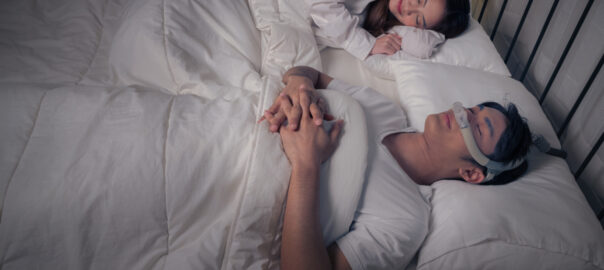
Obstructive sleep apnea can significantly decrease your quality of everyday life and lead to numerous negative consequences for your general health. But can obstructive sleep apnea be cured? In this article, we discuss treatment methods for obstructive sleep apnea.
Can Obstructive Sleep Apnea Be Cured?
Obstructive sleep apnea (OSA) is a chronic condition. It leads to a repeated collapse or blockage of the airways, resulting in interrupted breathing during sleep. Whether it can be fully cured depends on the cause and severity of the condition:
- Obstructive sleep apnea in children with enlarged tonsils or adenoids can be cured by surgical removal of the tonsils or adenoids.
- Significant, sustained weight loss can eliminate OSA for some adults.
- Surgical correction of structural issues (for example, jaw abnormalities) may offer permanent resolution in some cases.
In cases where obstructive sleep apnea cannot be fully cured, it can often be effectively managed with the correct combination of procedures and lifestyle changes. Let’s examine these treatment options and lifestyle changes in more detail.
Lifestyle Changes
- Weight loss can significantly reduce or eliminate symptoms in individuals who are overweight.
- Avoiding alcohol, smoking, and sedative medications may also improve airway stability.
- Sleeping on your side instead of your back may help reduce episodes of interrupted breathing.
- Improving sleep hygiene and the quality of sleep can also help reduce episodes of interrupted breathing.
CPAP (Continuous Positive Airway Pressure)
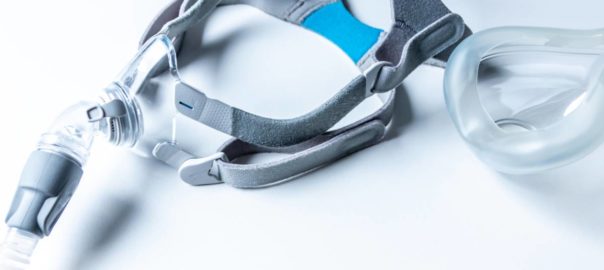
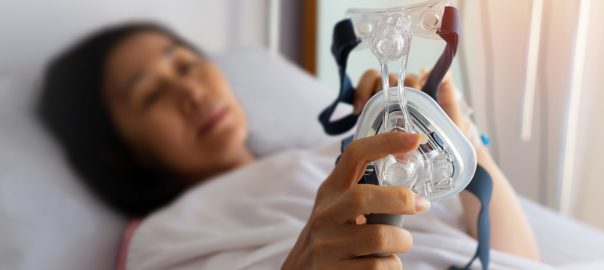
Continuous positive airway pressure is a non-invasive therapy and the most common and effective treatment for obstructive sleep apnea. It involves using a special machine that delivers a steady stream of air pressure through a mask worn over your nose, or nose and mouth, while you sleep. This device can help with the following:
- Keeps the airway open with a constant stream of air.
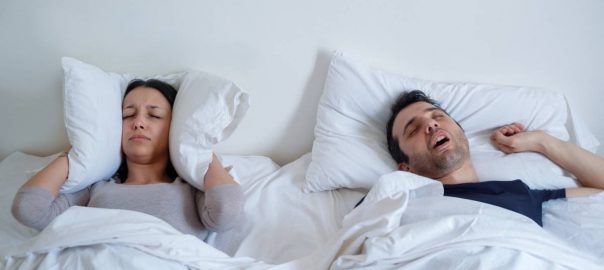
- Prevents pauses in breathing (apneas) and loud snoring
- Helps maintain steady oxygen levels throughout the night (which also has a positive effect on the overall health of the patient)
Oral Appliance Therapy
Oral appliance therapy is a non-invasive treatment option for mild to moderate obstructive sleep apnea (OSA) and snoring. It involves wearing a custom-fitted dental device, similar to a mouthguard, during sleep. It works by repositioning the lower jaw (mandible), tongue, or soft palate to prevent airway obstruction. A dental specialist typically provides such appliances.
The most common type of oral appliance is the mandibular advancement device, and it has several benefits:
- Widening of the airway
- Preventing the tongue from collapsing backward
- Reducing soft tissue vibration that causes snoring
- Minimizing pauses in breathing caused by airway blockage
Additionally, tongue-retaining devices (TRDs), which hold the tongue in a forward position, can be used to prevent airway obstruction.
Surgery
When part of a comprehensive treatment plan, procedures such as uvulopalatopharyngoplasty (UPPP), nasal surgery, or jaw advancement can offer lasting relief from obstructive sleep apnea symptoms. Additionally, as mentioned earlier, tonsillectomy or adenoid removal may be effective in treating OSA in children.
Inspire Therapy
Inspire therapy is a treatment option for people with moderate to severe obstructive sleep apnea (OSA) who cannot tolerate CPAP therapy or in cases when it is not effective. This method utilizes a device surgically implanted in the chest that stimulates the airway muscles to remain open.
Treat Obstructive Sleep Apnea at Samaritan Dental
Obstructive sleep apnea can result in negative consequences, including daytime fatigue, poor quality of life, high blood pressure, heart disease, stroke, and type 2 diabetes. If you notice any symptoms of OSA, schedule an appointment with an experienced dentist at Samaritan Dental as soon as possible to prevent it from impacting your overall health and quality of life.

 Yelp
Yelp I have never had a better dental experience prior to my visit with Dr. Zabolian. It was pain free for the first time ever, the staff was friendly, accommodating to my schedule, there were no problems with my insurance claims... I am so happy I have found a dentist (after all these years) I feel so comfortable going to and also taking my family.