
Category Archives: General Dentistry

featured image for should kids wear a mouthguard for soccer

Should Kids Wear a Mouthguard for Soccer?

Using mouthguards and sports guards might not feel like the most glamorous practice. But even less appealing are the results of injuries or accidents when you do not wear one. Not all sports require a mouthguard, but many absolutely do. So should kids wear a mouthguard for soccer?

Should Kids Wear a Mouthguard for Soccer?

The general consensus is that, yes, you should have your kids wear a mouthguard for soccer. Without one, every collision runs the risk of lasting dental issues. From knocked-out teeth to biting their tongue, these injuries come in many shapes.

Importance of a Mouthguard for Soccer

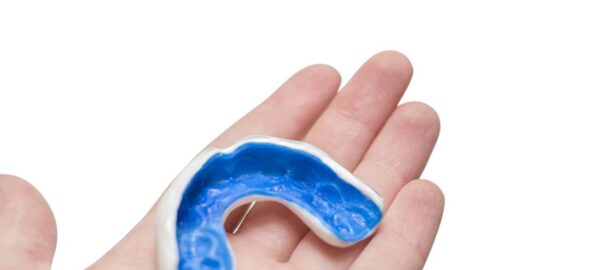
A mouthguard goes over the upper and lower rows of teeth. Ideally, it should be custom made for your kid’s bite. Otherwise, it could fit improperly and not provide sufficient protection. The right mouthguard will protect against dental and soft tissue injuries that can occur due to:

  • Accidental collisions
  • Falls
  • Flying elbows
  • Impact of the ball to the face
  • And more

True, soccer is not a full-contact sport like football. However, collisions happen multiple times every game. All it takes is for one of those to cause a notable injury. Soccer in particular places kids at high risk for facial and dental trauma. As such, mouthguards are recommended by organizations like the American Dental Association (ADA) to reduce the severity of injuries.

How Wearing a Mouthguard for Soccer Helps

Protection from Impact

A mouthguard protects more than your kid’s teeth. It also offers coverage against injuries to the gums, lips, and tongue. This single dental appliance protects against chips, breaks, and a range of other oral injuries.

Risk Reduction

No amount of protection offers a guaranteed way to avoid injury. But every level of protection further reduces that risk. Kids already wear shinguards for soccer, and many boys wear cups for added protection. But many parents overlook the teeth. Adding a mouthguard into the lineup gives your child that extra level of protection.

Cushioning Impact

A mouthguard offers that extra bit of cushion for any impact to the face. Soccer is filled with flying elbows, flailing hands, and shoes with spikes. That you can also use your head to field the ball introduces additional routine impact. Kids are not known for their amazing control of their bodies. What might be intended as a header can quickly shift into fielding the ball directly with their face.

Added Protection for Specific Cases

If your kid has braces, then they have an added reason to wear a mouthguard. Impacts to teeth with braces present additional risk for harming the mouth’s soft tissues. Your kid might not be happy about it, but their safety should come first.

What Matters for a Mouthguard for Soccer

Proper Fit

A one-size-fits-all approach doesn’t work with mouthguards. You need a custom-made appliance that forms to your kid’s unique jaw shape and teeth alignment.

Quality Material

A mouthguard that cannot stand up to strain will not offer great protection. Custom-made sports guards from a dentist are made from lab-quality materials designed to last.

Proper Use

Improperly wearing a mouthguard will cut down on its function. When you buy one from a store, you miss out on expert instruction for its use. With every custom-made mouthguard, your dentist will walk both you and your kid through its proper use, storage, and maintenance. Also, ask any questions (and get pro tips).

Custom Mouthguards for Sports

At Samaritan Dental Arts, our dentist provides custom mouthguard fabrication for patients of all ages. Set up a visit, get an exam, and be one step closer to protecting your kid’s teeth for life.


Featured image for Do You Need to Wear a Mouthguard While Playing Sports?

Do You Need to Wear a Mouthguard While Playing Sports?

Sports can be fun and have a profoundly beneficial impact on your overall health. But do you need to wear a mouthguard while playing sports? In this article, we discuss the benefits of mouthguards for both amateur sports lovers and professional athletes. 


Do You Need to Wear a Mouthguard While Playing Sports?

A mouthguard is a dental appliance typically made of ethylene-vinyl acetate (EVA) or other thermoplastic materials. It usually covers both the upper and lower arches of your teeth. The purpose of the mouthguard is to create a protective barrier for your teeth, gums, and jawbones and to absorb the force in the event of a facial impact. The main benefits of the mouthguard include:

  • A mouthguard protects you from facial bone fractures
  • A mouthguard protects your teeth from being broken, chipped, cracked, or knocked out 
  • A mouthguard lowers the risk of tooth root damage and blood vessel and soft tissue damage

Regardless of whether you are a professional athlete or play sports for fun, wearing a mouthguard during games, practice, and competition can benefit your oral health and prevent expensive and time-consuming treatments in the future. 

Most sports activities, especially extreme and contact sports, can result in falling or getting hit in the face. As a consequence, facial bone fractures are a common occurrence among athletes. Also, facial and oral traumas often lead to tooth root damage and blood vessel damage. Both types of injuries can result in tooth loss. These traumas can be especially inconvenient for those who need to train for competition, as the injury can put them out of commission for weeks. 

A mouthguard is specially designed to absorb the force from an impact to the face, thus preventing jawbone fractures. Additionally, a mouthguard creates a protective barrier for the teeth, preventing them from being broken, knocked out, cracked, or chipped. Thus, your mouthguard can eliminate the need for costly and complicated procedures, such as veneers or implants, in the future. 


How to Choose a Mouthguard

There are two main types of mouthguards you can choose from, depending on your budget and personal preferences:


Over-the-counter Mouthguards

Over-the-counter mouthguards are premade, meaning that they can be only minimally customizable, if at all. Boil-and-bite mouthguards can be adjusted to the shape of your jaw and teeth to some degree. Those worn straight out of the box, however, can not be adjusted in any way.

Premade over-the-counter mouthguards may not be the most comfortable solution, as they are designed for a general mouth and bite shape and may not accommodate your specific needs and oral anatomy. As a result, even though they will still perform their protective function, this protection will likely not be optimal.

Another disadvantage of over-the-counter mouthguards is that they can cause jaw stiffness or rub against the soft tissue in your mouth, leading to sores because they are not fitted perfectly to your mouth. 

That being said, wearing an over-the-counter mouthguard while playing sports is still preferable to having no protection at all. Over-the-counter mouthguards have the additional benefit of serving as a wallet-friendly option while you wait for a custom mouthguard to be manufactured.


Custom-made Mouthguards

A custom-made mouthguard is created using impressions of your teeth by a technician in a dental laboratory. Such a mouthguard fits in your mouth perfectly and provides an even distribution of force when an impact to the face occurs. Thus, a custom-made mouthguard provides more reliable protection than an over-the-counter option. Also, mouth sores, jaw stiffness, and other side effects of wearing a mouth guard are unlikely to occur when you opt for a custom-made option. 

To get a custom-made mouthguard, you will need to visit your dentist at least twice: one visit is to take impressions of your teeth, and the second visit is when your mouthguard is ready. Typically, it takes between one to two weeks for your custom-made mouthguard to be prepared. The time will depend on how busy the dental lab and the technician are. 


Get a Comfortable Custom-made Mouthguard at Samaritan Dental

Get a comfortable and reliable custom-made mouthguard that will protect your oral health while you enjoy your favorite sports activities. Schedule a consultation with an experienced dentist at Samaritan Dental today. We are looking forward to your visit to our dental office.

man checking wondering what does a cavity look like

What Does a Cavity Look Like?

Visiting the dentist is the surest way to identify a cavity. However, knowing how to do so at home can also come in useful. So you need to know: what does a cavity look like? Once you can identify cavities, you can make a point of scheduling your next dental appointment right away.

What Is a Cavity?

To spot a cavity, you need to first know what you are looking for. In short, a cavity is a small hole or portion of wear on a tooth. Healthy teeth will retain their enamel. But if you have sufficient tooth decay, it can eat away at your tooth. Over time, this progresses into an ever-increasing hole.

What Does a Cavity Look Like?

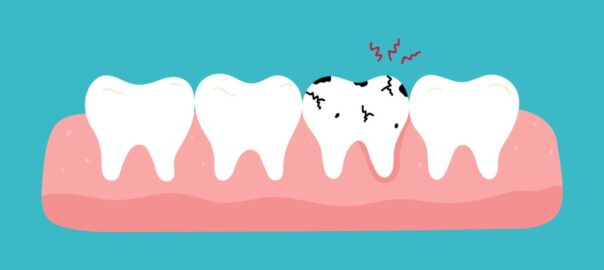
The short answer: not pretty. Their appearance can range from a subtle chalky appearance to highly visible discoloration. Their appearance shifts as they worsen, starting as mild discoloration and eventually turning into something more ominous.

Spotting Cavities in Early Stages

In the earliest stages, you might not be able to spot a cavity without special equipment. Cavities tend to start out as a white, chalky area on the tooth’s surface. This happens due to bacteria beginning to break down the enamel. Most patients easily notice these changes on their front teeth. However, molars may be more inconspicuous.

At this point, we consider this a pre-cavity. The process is called demineralization. At this point, a routine cleaning can help restore your teeth. We may also recommend a treatment to remineralize your affected tooth.

Stain Buildup or Cavity?

Sometimes, discoloration might just be a stain. In either case, we recommend a dental visit. If it is a stain, we could whiten or clean it. If it is a cavity, we can treat that and also restore your tooth’s appearance. Either way, you can leave the office with a brighter smile.

Spotting Cavities in Middle or Later Stages

After the bacteria gets through your enamel, it can start eating away at the tooth itself. This is where things begin to start looking pretty unpleasant. Though cavities start small, they can gradually grow into noticeable brown or black spots on a tooth. It can almost look a little “burnt”, with a darker center and a lighter border.

If you spot active tooth discoloration, it is time for an appointment. Otherwise, that bacteria will simply keep eating away at your tooth. If it goes too deep into the tooth, it can infect the pulp. When this happens, you could need a root canal or even a tooth extraction.

In very late stages, the entire tooth may have a caved-in appearance.

What If I Cannot See a Cavity?

The most insidious part of cavities is that they often can present with minimal symptoms. You might not notice any pain or even discoloration. This especially holds true for molars. Not many people give their molars a close inspection each day.

So cavities can progress to worse problems almost unannounced. This is why having dental exams is so important. Your dentist can use a special device to check for cavities on, around, and between your teeth.

They do not need to even see it. If the tool catches on a tooth, that is because there is a small cavity there. Even small cavities will eventually need treatment, as they can be too small for a toothbrush to clean. This means bacteria will simply continue to build up in there until it worsens.

Do Not Forget About X-rays

Another reason to rely on your dentist for spotting cavities is because they can take X-rays of your teeth. This safe imaging procedure is noninvasive and over in seconds. No pain at all. An X-ray can provide highly detailed images of each tooth, including where there is tooth decay. When tooth decay happens between your teeth, sometimes an X-ray is the only way to assess the situation.

Does a Cavity Smell Bad?

You might not even need to spot a cavity with your eyes. You might simply smell it. Or rather, people around you might. Cavities absolutely can cause bad breath. This happens because the bacteria within the cavity produce unique compounds as they break down food. These volatile sulfur compounds smell quite unpleasant.

The more bacteria in there, the more odor that will come out. Treating a cavity not only protects your tooth, but it can keep bad breath from bothering you and those around you.

DTLA’s Leading Dental Team

If you have a cavity, you want a top-tier dentist on your side. From routine care to complex procedures, we specialize in keeping DTLA smiling brightly.


Featured image for Are Tooth Fillings Painful?

Are Tooth Fillings Painful?

When people even hear the word “filling,” it’s not at all unusual for them to get a little bit nervous. It brings to mind loud noises, hours spent in the chair, and, of course, the big question: Are tooth fillings painful? This is one of the most common concerns patients tend to have when facing the need for restorative dental work, and we totally get it! It’s okay to be anxious about dental procedures. But knowledge really is power, and knowing what to expect can turn a nerve-wracking experience into a more manageable one. 

Let’s walk through what really happens during a filling, how much discomfort (if any) you can expect, and how the dentists at Samaritan Dental Arts make the whole experience a lot more comfortable than you might think.


So, Are Tooth Fillings Painful? 

Here’s the good news right out of the gate: No, getting a tooth filled is not typically painful. Thanks to modern techniques and advanced numbing options, most patients report feeling little to no discomfort during the process. In fact, the discomfort you’re likely experiencing from a cavity beforehand is probably more unpleasant than the dental filling itself! Many patients are surprised by how quick and easy the procedure actually is, often walking out of the office wondering why they were ever nervous to begin with.

At Samaritan Dental, we prioritize patient comfort. Before the procedure even begins, your dentist will carefully numb the area surrounding the affected tooth using local anesthesia. Once that’s in effect, you shouldn’t feel any pain, just some light pressure and vibrations from the tools your dentist is using. That’s it. No sharp stabs, no unbearable sensations.


What If I’m Nervous About the Numbing Shot? 

If you’re one of those people who gets nervous about needles (and let’s be honest, there are a lot of us), this part might seem like a bigger hurdle than the filling itself. But rest assured: the numbing shot itself is done quickly, and most people describe it as a mild pinch at worst. Your dentist can even apply a numbing gel beforehand to make the shot itself more comfortable for you. 

If dental anxiety is something that really affects you and is holding you back from treatment, we’re always happy to talk about comfort options ahead of your appointment. Here, communication is key. Letting your dentist know how you’re feeling can help make the experience as stress-free as possible. 


Will It Hurt After the Filling Is Done? 

This is another question we get a lot, and the answer depends a bit on how sensitive your mouth is and the size of the filling. It’s normal to feel a little soreness or tenderness around the filled tooth once the numbing wears off, especially if the cavity is deep. That said, this post-treatment discomfort is usually mild and short-lived, disappearing after a day or two. 

You might also feel a little sensitivity to hot or cold foods for a short while. Again, this is completely normal and tends to go away quickly. Over-the-counter pain relievers like ibuprofen are usually more than enough to manage any lingering aches.


Can Fillings Be Done Without Numbing? 

If you’ve got a very small cavity or just need shallow surface repairs, then you may not require any numbing at all. This depends on the location of the cavity, the level of decay, and your pain tolerance. If you’re interested in this option, your dentist will evaluate your specific case and let you know what’s possible. 


Why Waiting Can Actually Increase Your Pain Risk

Ironically, the longer you wait to get a filling, the more likely your procedure will hurt. This isn’t because the filling itself is painful, but because the untreated cavity can grow deeper and more serious. When decay reaches the inner layers of your tooth, you may need more intensive procedures like a root canal. This procedure involves more time, more complexity, and, yes, potentially more discomfort. 


Choosing a Dentist Who Puts You First Can Minimize Your Pain Risk

When it comes to pain risk, where you go matters. Here at Samaritan Dental, we focus on gentle, precise care that meets you where you are—whether you’re just a little nervous or full-on anxious about the process. Our skilled team is here to walk you through each step, using modern tools and compassionate care to make your visit as comfortable as possible. Call Samaritan Dental today to schedule your consultation and experience stress-free dental care that puts your comfort first.

Featured image for Can a Cavity Cause Jaw Pain

Can a Cavity Cause Jaw Pain?

Cavities, otherwise known as dental caries, are one of the most common dental problems around the world and one of the most common reasons people visit a dentist. Cavities develop when the acids produced by bacteria in plaque erode the enamel of your teeth. People usually associate cavities with tooth sensitivity and tooth pain. But can a cavity cause jaw pain as well? Continue reading to learn about the intricate connection between cavities and jaw pain.


Can a Cavity Cause Jaw Pain?

A cavity is a damaged area in the hard surface of your teeth. These areas become tiny holes that can cause extreme pain, infection, and tooth loss. Cavities start as small areas of enamel demineralization. If not addressed in a timely manner, the cavity progresses to the dentin and the pulp. When the cavity reaches the pulp, it can cause significant pain and discomfort because the pulp contains nerves and blood vessels.

So the question is, will this pain travel to the jaw? To answer this, one must understand the anatomy of the teeth and their relationship with the jaw.


The Link Between Cavities and Jaw Pain

Nerve Irritation

Each one of your teeth is connected to the jawbone by the nerves that run through the roots of your tooth and into the jaw. When a cavity reaches the pulp, the nerves of the tooth will become irritated and inflamed. This pain can then radiate to the jaw and its surrounding areas.


Infection and Abscesses

Without treatment, bacteria in the cavity can infiltrate the pulp and cause an infection. This infection can spread to the surrounding tissues, including the jawbone, and create a dental abscess, a pocket of pus that forms as a result of bacterial infection. Abscesses cause intense throbbing pain in the affected tooth, gums, and jaw.


Referred Pain

Because the nerves in your mouth are interconnected, inflammation in one area can send pain signals in another. This is why pain from a cavity may not be localized to that tooth but is “referred” to other areas of the face or jaw.


Bruxism or Teeth Grinding

Cavities can cause a misaligned or uneven bite, which can lead to unknowingly and unintentionally grinding teeth. This grinding is known as bruxism. It can occur while one is awake or asleep and stresses the jaw muscles and joints, eventually leading to pain and discomfort.


Temporomandibular Joint Involvement

The temporomandibular joint connects the jawbone to the skull. You have two temporomandibular joints, one on each side of the jaw. Severe tooth pain or infection can affect your jaw movement. In turn, this restricted movement may strain the temporomandibular joint and cause jaw pain, stiffness, and even headaches.


Symptoms to Watch For

You may notice some of the following symptoms when you have a cavity and are experiencing jaw pain.

  • Persistent, dull, or sharp toothache
  • Painful biting or chewing
  • Swelling in the jaw or gums
  • Tooth sensitivity to hot, cold, or sweet foods and drinks
  • An unpleasant taste in the mouth (a sign of an abscess)
  • Difficulty opening and closing your mouth

If these symptoms persist or worsen, or if jaw pain is accompanied by swelling or fever, immediately visit your dentist for proper treatment.


How to Prevent Jaw Pain from Cavities

The best way to avoid cavity-related jaw pain is to practice good dental hygiene and visit your dentist regularly. Follow the tips below to protect yourself from cavities and ensure your oral health.

Brush and Floss Regularly: If you cannot brush after every meal, at least brush twice daily with fluoride toothpaste. Do not go to sleep without having brushed your teeth.  Floss once or twice daily to prevent plaque buildup, tooth decay, and cavities.

Use Mouthwash: A good antibacterial mouthwash can help reduce plaque and kill harmful bacteria.

Maintain a Healthy Diet: Avoid sugary and acidic foods. Eat foods rich in calcium and vitamins to strengthen your teeth.

Visit Your Dentist Regularly: Regular dental checkups and cleanings can ensure your teeth are healthy and free from plaque buildup. Your dentist can also catch dental issues early on and address them before they become full-blown problems.


Consult a Dentist in Los Angeles

Cavities can cause jaw pain, especially if the decay has reached the deeper layers of the tooth or if an infection is present. By practicing good oral hygiene, regularly visiting your dentist, and promptly addressing tooth pain, you can protect your teeth and prevent cavity-related jaw pain from disrupting your daily life.

Whether your tooth pain is accompanied by jaw pain or not, a reputable dentist can help you manage your pain and address the problem. Schedule a consultation with Samaritan Dental today to relieve your dental pain.

concept for cavities between two teeth

How to Know If You Have a Cavity Between Two Teeth

Cavities are one of the most common oral health issues. In fact, around ninety percent of adults between the ages of 20 and 54 have had tooth decay in their teeth. Cavities can impact any part of your teeth, including the visible surface or between your teeth. Cavities between your teeth can be a little harder to detect. However, there are several signs that indicate the presence of cavities. Below, you will find out how to know if you have a cavity between two teeth.

How to Know If You Have a Cavity Between Two Teeth

Cavities are often associated with several symptoms. If you experience any of these symptoms, contact your dentist right away. Early detection and treatment are key if you have cavities. It can reduce the risk of further damage to your oral health. Consider the following symptoms that indicate you may have a cavity between your teeth.

Pain or Discomfort

Pain or discomfort when you are biting down on or chewing food is an indication of trouble. It could mean that you have a cavity between your teeth. The pressure from biting and chewing can aggravate the area around the cavity. The pain can vary in severity. It can also feel dull or sharp. Tooth pain can indicate cavities or worse, so it is important to contact a dentist right away.

Temperature Sensitivity

Temperature sensitivity is a common symptom of cavities. It is an early symptom, so heading to the dentist right away is helpful. You may notice sensitivity when you consume hot or cold foods or beverages. However, you may also notice sensitivity when you eat sugary foods. The pain is often sudden and sharp. Sensitivity can also be a sign of more serious oral health conditions. Because of this, it’s advisable to schedule a dental appointment right away.

Bleeding Gums

Bleeding or irritated gums are a sign of cavities between your teeth. However, issues with your gums also indicate more advanced oral health issues. One of the more common oral health issues is gum disease. This can lead to serious oral health issues, including tooth loss in severe cases. If you notice bleeding, inflammation, or sensitivity around your gums, it is necessary to get it treated right away. Avoid irritating the area, as it can cause discomfort.

Visible Spots or Stains

Cavities in between your teeth are harder to see. However, you may notice stains or dark spots in between your teeth. These are often black or brown in color. You may also notice greyish shadows. If you notice anything in between your teeth that cannot be removed with flossing, it is time to go to the dentist. Cavities between your teeth can cause serious damage to your oral health.

Cavity Diagnosis and Treatment

If you experience any of the symptoms associated with cavities, schedule an appointment with the dentist. They can effectively diagnose the issue to determine if you have cavities or any other oral health issues. Cavities are diagnosed using a combination of diagnostic tools. These include X-rays, a visual exam, or a floss test. If you just have a cavity, it can be easily addressed in the same appointment in many cases.

The most common treatment for cavities includes fillings. More extensive cavities or more serious oral health issues may require different treatment. This includes crowns or a root canal. This is why early intervention is essential. You can easily avoid more aggressive treatment options if you address cavities early on. If you are concerned you may have a cavity, contact the team at Samaritan Dental Arts to schedule an appointment today!

Featured image for The Importance of Regular Dental Checkups

The Importance of Regular Dental Checkups

Any reliable general and cosmetic dentist in Los Angeles will stress the importance of preventive dentistry. In fact, a good doctor will always encourage you to undergo by-yearly checkups and professional cleanings to help you avoid costly and complicated procedures. But why is preventive dentistry so crucial? In this article, we discuss the importance of regular dental checkups and cleanings.


The Importance of Regular Dental Checkups

We all know that brushing and flossing teeth twice a day is essential for our oral health. However, more is needed, even for people who are very dedicated to their dental hygiene at home. The reason for this is that we all have hard-to-reach areas in the mouth that usually need to be cleaned more thoroughly. The issue is even more significant for people who have misaligned or crooked teeth. Food residue and bacteria linger in those crevices, turning into plaque and tartar over time—the leading causes of cavities and gum disease.

Regular dental checkups can help you maintain good oral health in several ways:


Dental Checkups Prevent Serious Oral and General Health Issues

Small cavities can be painless and often do not signal their arrival. As a result, you might not notice the moment when a simple cavity turns into severe tooth decay. Often, tooth decay needs complicated treatments such as root canal therapy. Also, if tooth decay is left untreated for a long time, it can lead to tooth loss or infect the surrounding teeth. In addition, the infection can spread to the gum tissue and the jawbone and result in periodontal disease, which is difficult and time-consuming to treat.

Furthermore, infections in the mouth are closely associated with illnesses of other organs in the body. For example, gum disease can lead to heart, lung, and joint issues. It also can cause changes in the blood sugar levels. Oral infections can harm the gastrointestinal system and even impede cognitive function. 

If you visit a dental office every six months, your doctor will be able to spot any small cavities or other potential issues and offer you a plan of treatment right away. Treating a cavity with a dental filling is also quicker and cheaper than treating severe tooth decay. What is more, having a healthy mouth at all times will help boost the health of your whole body, your energy levels, and your quality of life.


Dental Checkups Can Include Professional Dental Cleanings

Dental checkups are often combined with professional cleanings that are necessary to maintain the perfect condition of your teeth. Your dentist uses professional instruments to effectively remove plaque and tartar (which can not be removed with a toothbrush at home) from all areas of the mouth, even those that are hard to reach. Thus, professional cleanings prevent cavities, decay, and gum disease. In addition, by undergoing cleanings every six months, you can prevent plaque on your teeth from hardening and turning to tartar.

You can also opt for a fluoride treatment as a part of your dental cleaning. Fluoride effectively remineralizes the teeth, strengthens the enamel, and makes your teeth move resistant to harmful bacteria, further preventing cavities.

Also, by regularly cleaning your teeth at a dental office, you can boost the effectiveness of fluoride toothpaste you use at home since there will not be a film on your teeth that prevents the ingredient from penetrating the enamel.


Regular Dental Checkups and Cleanings Save Money in the Long Run

Treating teeth with severe issues can be expensive. For example, the cost of a root canal treatment is approximately 1500 to 2000 dollars without insurance. The price of replacing a decayed tooth with a dental implant can be as much as 5000 dollars. Gum disease treatments can include multiple costly procedures and end up costing a small fortune.

In addition, in many cases, dental insurance only covers part of the price of major procedures, typically only 50 percent. On the other hand, most dental insurance policies cover the total price of preventive procedures, such as checkups and cleaning. Even if you pay for these procedures out of pocket, they will be much cheaper than any complicated, multi-step treatments.


Make an Appointment Today

At Samaritan Dental, we provide student discounts for dental care. Do not hesitate to call our office and make an appointment for a dental checkup and a professional cleaning today. We look forward to welcoming you to our dental office.

Featured image for How Do General and Restorative Dentistry Differ

How Do General and Restorative Dentistry Differ?

Our patients often ask: How do general and restorative dentistry differ? Even though these two fields of dentistry often overlap, there are differences in the spectrum of the procedures they employ. Please read our article to learn more about these two branches of dentistry.


How Do General and Restorative Dentistry Differ?

Restorative dentistry deals primarily with broken, missing, or decayed teeth. The main goal of this branch of dentistry is to restore the health, function, and appearance of teeth and gums or to replace missing teeth. General dentistry focuses on overall oral health, examinations, preventative measures, and education. 


Restorative Dentistry Procedures

Restorative dentistry includes a variety of procedures, depending on a patient’s needs:


Dental Fillings

Dental fillings treat cavities in teeth. They typically involve using resin composite material to fill in the cavity after removing the decay from the tooth. 


Root Canal Therapy

Root canal treatment deals with more extensive tooth decay that infects the pulp chamber within the tooth. During the procedure, dentists remove the infected pulp, clean the canals, and fill them with a special dental material that seals them and prevents reinfection. 


Dental Crowns

A dental crown covers, reinforces, and protects a tooth weakened by decay. For example, it is often employed after a root canal treatment.


Inlays and Onlays

Inlays and onlays are used in cases when the decay is not extensive enough to justify using a dental crown but big enough for a simple dental filling. They are custom-made in the shape of a piece of the tooth that needs to be replaced.


Dental Bridges

Dental bridges replace individual missing tooth or multiple teeth in a row. They are supported by the remaining natural teeth on both sides and hang over the gap.


Dental Implants

Dental implants consist of a metal post that fuses with the jawbone and acts like the roots of natural teeth, as well as a dental crown. Implants are one of the most sophisticated and reliable methods of replacing missing teeth.


Dentures

Dentures are artificial teeth that rely on the gums or the existing natural teeth for support. There are full and partial dentures, and the choice depends on the number of missing teeth. 


Dental Veneers and Dental Bonding

Dental veneers and bonding restore chipped, cracked, or broken teeth. Veneers are porcelain shells that cover the entire outer surface of a tooth, while dental bonding typically covers only a part of it. 


Bone and Gum Grafting

Bone grafting involves using natural or artificial materials—grafts—to promote the regeneration of a jawbone that has lost its density. Gum grafting is a similar procedure, but it aims at gum tissue regeneration. The dentist will place grafts in the gum or bone, which subsequently begins regrowing around them. Both procedures are most commonly used in preparation for dental implants or as part of gum disease treatment.


General Dentistry Procedures

General Dentistry procedures include:


Dental Cleanings

Professional dental cleanings are an essential preventative measure. Accordingly, dentists recommend getting professional cleaning every 6 to 12 months to effectively maintain good oral health. In some cases, for example, during gum disease treatment, you might need to have dental cleanings more often, typically every four months. During the cleaning, your dentist removes plaque and tartar buildup from the teeth and gums, thus preventing cavities, tooth decay, and gum disease.


Physical Examinations

Dentists recommend physical examinations every 6 to 12 months to spot any potential oral health issues and establish effective treatment before serious problems develop.


Fluoride Treatments

Fluoride treatment is usually the last step in dental cleaning. Specifically, because it is highly beneficial for reinforcing the enamel of the teeth, making them more resistant to bacteria and decay.


X-rays and Scans

X-rays and scans are diagnostic methods that allow your dentist to effectively establish the cause of the issue and to either prescribe a course of treatment or refer the patient to an appropriate specialist. 


Dental Fillings and Root Canal Treatments

General dentists can effectively perform procedures such as cavity and tooth decay treatment with dental fillings and root canal treatments. 


Make an Appointment Today

If you need general or restorative dental services, do not hesitate to make an appointment with a dentist in Los Angeles today. We offer a broad spectrum of high-quality modern procedures to ensure our patients’ oral health. Our specialists look forward to welcoming you and your family to Samaritan Dental.

concept of woman in pain can tell if she has a cavity

How to Tell if You Have a Cavity: Common Signs to Look For

Attending multiple dental appointments throughout the year might feel like a bothersome chore. However, neglecting these visits for an extended period can pave the way for significant oral health issues that you might not be prepared to handle in the future. Ignoring dental problems could lead to the development of cavities, which should not be taken lightly. Below we cover how to tell if you have a cavity.

How to Tell if You Have a Cavity: Common Signs to Look For

Cavities can be treated easily and relatively painlessly with a dental filling if caught early enough. Cavities that are left to grow may further spread decay, making it likely that you will need a root canal or even a tooth extraction. You can contact our dental office at the earliest sign of tooth discomfort, which we will go into more detail about below. Here’s how to tell if you have a cavity: common signs to look for and methods to prevent the spread of decay.

How Cavities Form

Cavities begin forming from the buildup of bacteria that comes from the foods and beverages you consume. Particles from sugar, tobacco, juice, and other substances create bacteria that adhere to the tooth surfaces, eventually turning into plaque. This tough, adhesive substance erodes enamel and leaves plenty of room for infection to set in.

As this infection progresses, it starts attacking parts of the teeth. These affected portions display dark brown and black spots, which grow larger if untreated. This underscores the importance of visiting your dentist regularly, as you might not even be aware of the emerging cavity within your mouth until ti’s too late. Whether you have noticed a dark spot on your teeth or you are starting to feel pain or sensitivity around the area, it’s a good idea to get in touch with your Samaritan Dental Arts specialists right away.

Common Signs and Symptoms of Cavities

To identify cavity symptoms, it’s crucial for you and your dentist to recognize the early warning signs before they escalate into a very painful – and expensive – oral health problem. You might have a cavity if you experience one or more of the following on a regular basis:

  • Random bursts of pain from your tooth or gums
  • Constant pain and aches in the tooth
  • Sensitivity to hot and cold foods
  • Dark spots or stains on the teeth that continue to grow
  • Discomfort when biting down

If you’ve been grappling with significant tooth discomfort, a cavity could very well be the culprit. By reaching out to your dentist ASAP, you are making sure that you are taking care of the issue before it turns into a full-blown tooth infection. By that point, your symptoms will be agonizing and your tooth may have to be completely removed from your mouth.

Less Common Signs and Symptoms of Cavities

Permitting a cavity to grow without intervention might cause it to spread, intensifying the symptoms. Continued negligence could have terrible oral health results, signing you up for a future of pain and discomfort. Stay on top of your health by avoiding these signs:

  • Swollen lymph nodes
  • A throbbing sensation in the gums, jaws, or neck
  • Swollen cheeks
  • Heightened pain when lying down or tilting forward
  • Excessive sensitivity to temperature changes
  • Fever
  • Persistent bad breath (halitosis)

If any of these signs persist, you might be dealing with a tooth infection that is starting to spread to other areas of the mouth. You can invest in emergency dental care for quick intervention as the last hope of saving your tooth. Otherwise, there are many proactive measures you can take to keep your oral health in tip-top shape. For example, brushing and flossing your teeth regularly can keep harmful bits of bacteria at bay.

Treat Your Cavities ASAP

Your oral health is incredibly important, and taking care of your teeth is a lifelong task. You may be the perfect candidate for dental cavities treatment if you have a growing cavity, tooth sensitivity, pain, or localized discomfort of any kind. It is a good idea to reach out to your trusted dental experts as quickly as you can, as acting quickly can save your tooth from extraction. Learn more when you contact our pros today.

featured image for article about is dentist available late at night

Is a Dentist Available Late at Night?

Your mouth is a very complex and sensitive part of your body. Although you are likely taking steps to stay safe at all times, you never know when you are going to get hurt. Dental emergencies happen, and it is important to know when, where, and how you can access emergency dentistry for fast appointments and instant treatment when you need it the most. So is a dentist available late at night?

Is a Dentist Available Late at Night?

At Samaritan Dental Arts, many patients call us with the question, “Is a dentist available late at night? What about early in the morning when I have chipped my tooth?” Whether due to an injury after a sports game or a nasty fall, it is important that you have access to emergency dental services at all times. Learn more about what constitutes a dental emergency and find out how you can receive 24/7 care from our specialists at Samaritan Dental Arts.

What is Emergency Dentistry?

An emergency dentist is someone who is available outside of regular dental office hours to tend to urgent medical needs involving the mouth. Sudden injury or damage that leads to pain, bleeding, and inflammation will only worsen if not tended to right away. If you are in sudden need of dental care, you might be looking for a nearby emergency dentist.

However, not all instances of sudden pain or discomfort warrant an emergency. It is important to know what exactly is considered to be a dental emergency. And what issues might seem severe but can likely wait until the next available appointment.

What Makes a Dental Emergency?

The first thing you need to do when encountering any kind of dental emergency is to remain calm. Everything is going to be okay, and you will be able to find the care you need ASAP. It is time to assess the nature of the damage and your pain levels. You might need to visit an emergency dentist right away if you are experiencing:

  • Bleeding from the mouth, gums, or tooth socket after a tooth has fallen out
  • A missing, loosened, cracked, or broken tooth after physical impact
  • Excruciating amounts of pain that require emergency attention
  • A tooth infection that has spread so rapidly that it is causing too much pain and discomfort to tolerate

You might not need an emergency dentist if you are:

  • not missing a tooth
  • not bleeding
  • your pain is manageable enough to wait until the morning

You can always contact your trusted dentist to find out more about the type of care you need if you are unsure about your current symptoms.

Types of Emergency Treatments Available

Depending on the type of injury you have sustained and the type of care that you need, your dentist may be able to perform an immediate treatment to relieve symptoms of pain. Has your tooth has completely fallen out of your mouth? Then you might be able to save it by placing it in milk and bringing it to the dentist right away. Your tooth can be reattached to your gums. Otherwise, emergency bridges and crowns may need to be made for your mouth.

Major infections can be treated by root canals and tooth extraction in worst-case scenarios. It is important to be in touch with your dentist when you are experiencing any kind of sudden dental pain.

Get 24/7 Emergency Services Today

Samaritan Dental Arts has an available emergency dentist who is available 24/7 to assist with any and all urgent dental care needs. You never want to be faced with an injury. But it is a good idea that you know what to do in the event that you are faced with a dental emergency on your own. Get in touch with us today to learn about how you can access our urgent care services ASAP.