
Tag Archives: sleep apnea faqs

Featured image for Can Obstructive Sleep Apnea Be Cured?

Can Obstructive Sleep Apnea Be Cured?

Obstructive sleep apnea can significantly decrease your quality of everyday life and lead to numerous negative consequences for your general health. But can obstructive sleep apnea be cured? In this article, we discuss treatment methods for obstructive sleep apnea.


Can Obstructive Sleep Apnea Be Cured?

Obstructive sleep apnea (OSA) is a chronic condition. It leads to a repeated collapse or blockage of the airways, resulting in interrupted breathing during sleep. Whether it can be fully cured depends on the cause and severity of the condition:

  • Obstructive sleep apnea in children with enlarged tonsils or adenoids can be cured by surgical removal of the tonsils or adenoids.
  • Significant, sustained weight loss can eliminate OSA for some adults.
  • Surgical correction of structural issues (for example, jaw abnormalities) may offer permanent resolution in some cases.

In cases where obstructive sleep apnea cannot be fully cured, it can often be effectively managed with the correct combination of procedures and lifestyle changes. Let’s examine these treatment options and lifestyle changes in more detail.


Lifestyle Changes

  • Weight loss can significantly reduce or eliminate symptoms in individuals who are overweight.
  • Avoiding alcohol, smoking, and sedative medications may also improve airway stability.
  • Sleeping on your side instead of your back may help reduce episodes of interrupted breathing.
  • Improving sleep hygiene and the quality of sleep can also help reduce episodes of interrupted breathing.


CPAP (Continuous Positive Airway Pressure)

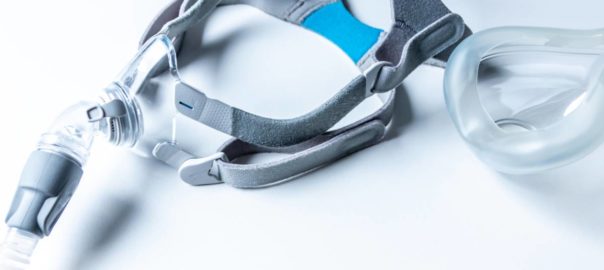
Continuous positive airway pressure is a non-invasive therapy and the most common and effective treatment for obstructive sleep apnea. It involves using a special machine that delivers a steady stream of air pressure through a mask worn over your nose, or nose and mouth, while you sleep. This device can help with the following:

  • Keeps the airway open with a constant stream of air.
  • Prevents pauses in breathing (apneas) and loud snoring
  • Helps maintain steady oxygen levels throughout the night (which also has a positive effect on the overall health of the patient)


Oral Appliance Therapy

Oral appliance therapy is a non-invasive treatment option for mild to moderate obstructive sleep apnea (OSA) and snoring. It involves wearing a custom-fitted dental device, similar to a mouthguard, during sleep. It works by repositioning the lower jaw (mandible), tongue, or soft palate to prevent airway obstruction. A dental specialist typically provides such appliances.

The most common type of oral appliance is the mandibular advancement device, and it has several benefits:

  • Widening of the airway
  • Preventing the tongue from collapsing backward
  • Reducing soft tissue vibration that causes snoring
  • Minimizing pauses in breathing caused by airway blockage

Additionally, tongue-retaining devices (TRDs), which hold the tongue in a forward position, can be used to prevent airway obstruction.


Surgery

When part of a comprehensive treatment plan, procedures such as uvulopalatopharyngoplasty (UPPP), nasal surgery, or jaw advancement can offer lasting relief from obstructive sleep apnea symptoms. Additionally, as mentioned earlier, tonsillectomy or adenoid removal may be effective in treating OSA in children.


Inspire Therapy

Inspire therapy is a treatment option for people with moderate to severe obstructive sleep apnea (OSA) who cannot tolerate CPAP therapy or in cases when it is not effective. This method utilizes a device surgically implanted in the chest that stimulates the airway muscles to remain open.


Treat Obstructive Sleep Apnea at Samaritan Dental

Obstructive sleep apnea can result in negative consequences, including daytime fatigue, poor quality of life, high blood pressure, heart disease, stroke, and type 2 diabetes. If you notice any symptoms of OSA, schedule an appointment with an experienced dentist at Samaritan Dental as soon as possible to prevent it from impacting your overall health and quality of life.
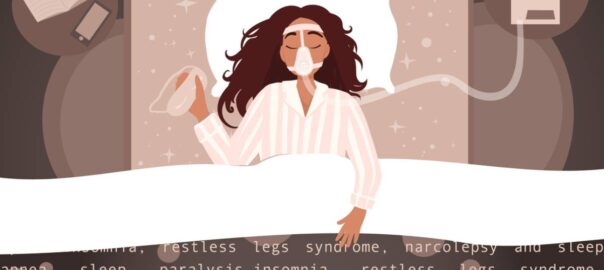
featured image for how sleep apnea affeects oral health

How Sleep Apnea Affects Oral Health

You may not think of the dentist at first when you picture sleep apnea, but nobody knows better than experts at our local downtown LA dental office how sleep apnea affects oral health. Dealing with dangerous sleep disorders like these can lead to a number of dental health issues, ultimately leading to failing health all throughout the body. Today, we are going to list some negative implications of unchecked sleep apnea on overall oral health.

How Sleep Apnea Affects Oral Health

When sleeping is interrupted by a sudden shortness of breath, the constructed airways can cause sleep apnea. This dangerous condition occurs when breathing momentarily stops, which can interrupt much-needed sleep cycles. This lack of oxygen causes the sleeper to snore loudly, have hitched breaths during sleep, or even occasionally choke and gasp for breath while asleep.

While some folks don’t notice the effects of sleep apnea right away, common symptoms include consistent fatigue, headaches, jaw pain, and high blood pressure. Whether or not you believe you may be suffering from sleep apnea, it is a good idea to speak with your dentist about it.

Oral Health Problems from Sleep Apnea

You may not believe that you are displaying some of the biggest symptoms of sleep apnea, but it may be showing up in your overall dental health. The following issues should be addressed with your dental professional as soon as possible.

TMJ

Also called a temporomandibular joint disorder, TMJ highlights pain in the hinges of the jaw that connect the upper and lower parts of the mouth. Your TMJ issues might increase as a result of sleep apnea, since you may be unconsciously clenching your jaw for hours on end throughout the night.

Tooth Grinding

Going hand-in-hand with TMJ pain, teeth grinding can occur overnight when exhibiting symptoms of sleep apnea. When your airways become obstructed, you may start grinding or clenching your mouth in order to clear up those breathing pathways. This can result in pain and headaches during your waking hours, which can be detrimental to your health.

Dry Mouth

Snoring with your mouth open at night can result in some pretty serious dry mouth. Whether you are aware of having sleep apnea or not, it’s a good idea to treat instances of dry mouth right away to avoid an increased risk of infections and cavities. Your expert dentist may recommend a filling or even a round of antibiotics to fully clean out your mouth.

Do You Have Sleep Apnea?

There are several ways to diagnose this harmful sleeping condition. Since it has so many effects on your oral health, you can visit a dentist for a sleep apnea diagnosis and treatment. You are more likely to have sleep apnea if you are dealing with congestive heart failure or are at risk of having a stroke. Heavy drinkers are also at a higher risk of sleep apnea. If you have nasal congestion out of nowhere, you may also be a likely candidate for sleep apnea treatment.

Receive Personalized Sleep Apnea Treatment Today

At Samaritan Dental Arts, we want to treat more than just the surface of your teeth. Oral health is deeply connected to the rest of the body, so when it starts to suffer, you are bound to feel worse and worse. Get effective sleep apnea treatment near you today when you contact our experts for a full diagnosis and care plan. Sleep apnea can result in symptoms of snoring, dry mouth, and an increased likelihood of gum disease. Avoid all of these issues and set yourself up for a future of good dental health when you contact us ASAP.

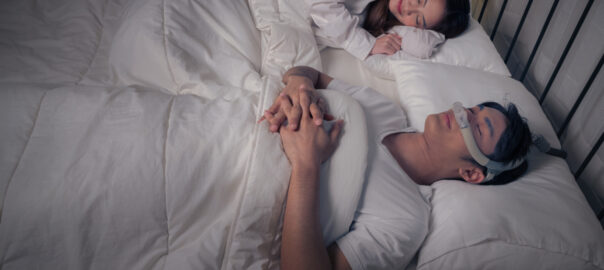
concept image of dangers of sleep apnea

Dangers of Sleep Apnea

Obstructive sleep apnea (OSA) is a condition that causes breathing problems during sleep. Many people dealing with sleep apnea do not even realize that they have the condition. But if their partner or family member reports a heavy amount of snoring, this could be a sure sign that something is wrong. Let’s investigate the dangers of sleep apnea.

Dangers of Sleep Apnea

Your dentist in downtown Los Angeles often connects some important links between sleep and oral health. There are many dangers of sleep apnea that could be affecting you if let it go untreated. Some patients may even suffer brain damage due to underlying sleep apnea conditions. Take a look at the following information and get in touch with us to schedule your sleep apnea appointment with us ASAP.

Sleep Apnea Causes and Symptoms

How does sleep apnea begin? If it’s not treated promptly, sleep apnea could prove fatal. Your partner or you may both be able to identify the most common signs of sleep apnea while sleeping. Some symptoms include:

  • Constant fatigue
  • Insomnia or trouble falling asleep
  • Changes in mood
  • Sleeping in a coma-like state
  • Gasping for air or choking when you wake up
  • Frequent headaches in the morning
  • Forgetfulness

Sleep apnea could be made more likely by certain risk factors. Your risk factors include sudden weight gain, a family history of sleep disorder, smoking, and alcohol consumption. You may feel mood and happiness problems if you have sleep apnea as well, which could lead to the need for mental healthcare.

Sleep Apnea and its Mental Effects

On the subject of mental health, it is possible that the more common symptoms of sleep apnea might not be obvious immediately. Sometimes it may take some time to realize something is wrong. Research has demonstrated a stronger link between sleep apnea and mental health than we previously thought, which helps to speed along the diagnosis process. People with sleep apnea, especially if it is not diagnosed early on, can have higher levels of anxiety and depression.

Additional studies have shown an increase in cognitive impairment. Reduced brain function is to blame, as sleep apnea cuts off oxygen from your body’s control center. Over time, this could make you feel more and more sick, increasing the urgency of your need to see a doctor.

Sleep Apnea And Memory Loss

Some forms of sleep apnea can cause memory loss and, in extreme cases, can lead to the forgetting of important life events. Sleep apnea is linked to memory loss, which is not surprising considering the fact that it can also cause fatigue. Patients may find it difficult to recall details about life events. Sometimes, patients mistakenly perceive long-term memories as short-term memories and forget how much time has passed between that event and now.

Restoring Brain Damage from Sleep Apnea

According to some studies, sleep apnea can be reversed. Although there is no cure for sleep apnea, the chances of getting a complete recovery are high. There are several ways to improve your brain’s functionality and health.

A CPAP machine, which you can use while you sleep, is the most popular and effective treatment. Studies show that people who have used CPAP for a year can improve and regrow their white matter, thereby reducing the damage.

Get the Best Sleep Apnea Treatment Today

Sleep apnea is most commonly associated with memory problems, mental health issues, sore throats, snoring, and heart problems. This condition can have serious consequences for your whole body if not treated properly over time. Get in touch with your trusted doctor or dental experts today to learn more about an effective solution to your sleeping problems. Get the best sleep apnea treatment in Downtown Los Angeles when you sign up for a personal consultation ASAP.

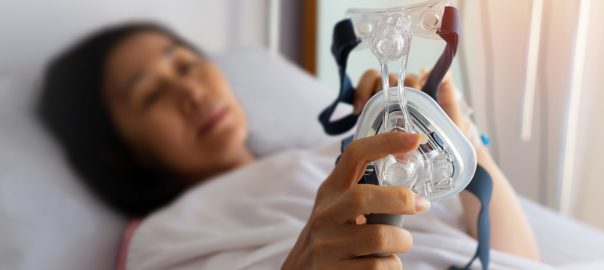
Woman lying in bed in background, holding anesthesia mask in foreground

Is Sleep Apnea Hereditary?

Sleep apnea is a serious condition, and it can get worse the longer it goes untreated. Obstructive sleep apnea is caused when the throat muscles are too relaxed, making it too easy for the throat to close. That is why the most significant symptom of sleep apnea includes the inability to breathe for short periods of time. But is sleep apnea hereditary?

Your trusted dentist or sleep expert should assess this very dangerous condition. Sleep apnea has many effects on dental health, which is why it is our job at Samaritan Dental Arts to provide the best treatment possible. If you are looking for a dentist in downtown Los Angeles, look no further.

Many of our patients wonder whether sleep apnea is a hereditary trait that can be inherited or passed down. Today, we want to explore that while offering different diagnosis and treatment options available to you.

Let’s Look at the Statistics

After extensive research, the Sleep Research Society determined that sleep apnea can be attributed to genetics about 40% of the time. This means that yes, it does have the possibility of being hereditary. If your parents or family members have been diagnosed with obstructive sleep apnea, you do have a risk of developing the condition yourself.

The possibility of developing this condition through genetics goes even beyond that. Some of the biggest risk factors that can lead to the development of sleep apnea are also genetics.

This includes factors such as:

  • Obesity
  • Thick neck
  • Nasal congestion
  • Large tonsils
  • Hypothyroidism

If you have a family history of any of the above conditions, it’s essential to speak with your local experts to determine the safest measures for you.

Other Sleep Apnea Risk Factors

Other than the hereditary conditions, there are environmental and lifestyle factors that can create a risk for this dangerous condition as well. These include:

  • Smoking
  • Aging
  • Menopause
  • Using an excess of alcohol
  • Using sedatives
  • Having a small jaw

If you fear that you are at risk for developing sleep apnea, or you have already started showing symptoms of the condition, it’s important to seek medical help as soon as possible. This is a life-threatening situation as sleep apnea can cause you to stop breathing in your sleep.

Getting Effective Sleep Apnea Treatment

Did you know that your dentist can provide effective obstructive sleep apnea treatments? Whether you seek the help of a sleep specialist or your local dental professionals, there are plenty of OSA treatment options available to you.

At Samaritan Dental Arts, we provide the following obstructive sleep apnea treatment in downtown Los Angeles:

  • Oral Appliances like a mouthguard can help maintain regular breathing and keep your mouth from closing during sleep.
  • CPAP machine therapy, which is the most popular and common form of treatment for sleep apnea.
  • Sleep hygiene therapy, which includes working with an expert to develop healthier sleeping habits
  • Surgery, as a last-resort intervention to fix tissues in the throat and tongue.

Knowing whether you are at risk for sleep apnea can help determine what treatments and interventions are needed. If you have been previously diagnosed with depression, diabetes, stroke, heart failure, or acid reflux, you may be suffering from obstructive sleep apnea as well.

If you sleep in bed with someone and they point out that you have been snoring a lot, this is one of the most prominent signs that you may have issues with sleep apnea. Please schedule a consultation with Dr. Zabolian right away so we can provide the best treatment possible.

Prevent Sleep Apnea Symptoms Today!

Sleep apnea is a serious condition that should be taken care of as soon as you suspect you are showing symptoms. Sleep apnea has a high chance of passing on through genes. Be sure to review your family history to see if any of them showed the signs.

Get started with your diagnosis and treatment options by contacting us online today. You can also give us a call at (213) 986-2933 to speak with a friendly representative. We look forward to helping you! We hope to help diagnose and treat your sleep apnea. Our office provides a range of dental treatments and procedures as well.