

Category Archives: General Dentistry

concept of how long should dental cleanings take

How Long Should Dental Cleanings Take?

People of all ages know about the importance of annual dental cleanings. In fact, most dentists recommend that folks get their teeth professionally cleaned at least twice a year. Patients who visit their trusted dentist in downtown Los Angeles want to know more about how this process works and how much time it usually takes from start to finish.

How Long Should Dental Cleanings Take?

If you are like one of our excellent patients and have the question, “How long should dental cleanings take?”, this article is for you. Keep reading to learn more about the dental cleaning process and find out what’s involved so you can schedule your oral health checkup accordingly.

How Dental Cleanings Work

Depending on the results of your exam, your dentist should typically recommend a dental cleaning that works in a series of steps. These steps can be performed fairly quickly, giving you a smooth and easy process.

Step 1: Screening and Scaling

At the beginning of your dental cleaning, your dentist will first want to remove a layer of dirt and grime that is stuck between your gums and your teeth. They will use a process known as scaling, which uses a small tool to remove this dirt. While this part of cleaning doesn’t take long, the dentist may pause from time to time to ensure you are comfortable.

Step 2: Polishing

After the dirt has been cleaned from your teeth, your dentist will move on to the polishing phase, which is often one of the more enjoyable parts of the dental cleaning process. We can use a polishing paste that comes in a number of different flavors. Your dentist will polish each tooth individually to restore its bright shine. This will also break up plaque and tartar that might have been building up on your teeth over time.

Step 3: Flossing and Brushing

Your dentist will brush and floss your teeth for you. Then we show you the best way to take care of your teeth at home. Using dental-grade floss, they will remove dust and dirt. These might have shown up in between your teeth from the food you eat. If you have any signs of infection or decay, your dentist may go on to recommend that you get a cavity filling. This can typically happen in a separate session.

All that’s left is to rinse out your mouth and your teeth. Your dentist may give you a mouthwash with a pleasing taste to help you feel better after the cleaning process. If you have any more questions about your dental healthcare at this time, please reach out to your trusted dental specialist right away.

Average Treatment Times

Depending on your individual dental needs, your cleaning can take anywhere from 30 to 90 minutes. Your dental team will want to discuss the steps involved in a dental cleaning. This helps ensure that you end up prepared for this type of procedure. It remains a smooth and easy experience that should not cause lingering discomfort when the procedure wraps up. If you can schedule a little bit of time during your day for this important treatment, you should try to make it work for you ASAP.

Learn More About Dental Cleanings Today

At Samaritan Dental Arts, we invest in only the best for your overall health and well-being. Get in touch with our experts to learn more about how you can make the most out of top-notch teeth cleaning in downtown Los Angeles. We offer personalized treatments that center on your individual needs, from basic oral health checkups to individualized plans of care. Get in touch with us today to learn more about our friendly dental services!

concept of someone smiling brighter with inlays and onlays

Smile Brighter with Inlays and Onlays

If your teeth are damaged or broken, there are many options available. These procedures can make your teeth look better and restore their health. This procedure preserves your natural smile and restores your ability to chew and bite. Let’s see how you can smile brighter with inlays and onlays.

Smile Brighter with Inlays and Onlays

Depending on the severity of the damage, your dentist in Downtown Los Angeles may recommend an inlay or an onlay. These restorative dentistry procedures, which all have variations of the same idea are custom-made to protect your tooth and restore its function. We want to help you smile brighter with inlays and onlays so keep reading to see if this option can work for you!

What Are Inlays?

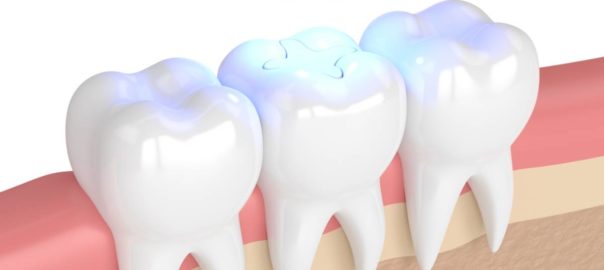
Dental inlays can be a revolutionary part of restorative dentistry and can be used to repair the tops or teeth. Inlays are natural-looking and can help strengthen your teeth as you chew and bite. Inlays are placed on your tooth’s surface between the bumps (or cusps). This allows you to fix a damaged or decayed tooth and protects your teeth from further damage.

What are Onlays?

Although they are different than inlays, dental onlays can still protect and strengthen your tooth. Restorative dentists also call them “partial crowns”, and they are usually meant to replace the entire tooth’s surface. They can be used to cover all or part of the chewing surface. They can be placed on top of the tooth and treated naturally. Once they are placed, they resemble a natural part of your tooth and will last for several years.

Can You Get Inlays and Onlays at the Same Time?

Both onlays and inlays have their benefits. Depending on the extent of tooth damage, inlays and onlays can be combined. An inlay is best when only a portion of the tooth’s chewing surface has been damaged. The inlay will be placed “inside” the tooth on the cusps. This is to allow you to chew. Onlays are great when the whole tooth is broken. Also, onlay, which covers the entire tooth, is a great option for restoring your smile. Inlays are more like fillings and onlays are like crowns.

Am I a Good Candidate for Inlays or Onlays?

You may be eligible for either inlays or onlays depending on the extent of tooth damage. Inlays and onlays are usually available for those who need a filling but the damage has spread a little too far for a single filling to treat.

You are good for the procedure as long as there is enough natural tooth structure to support the inlay/onlay. You may need a crown to restore your teeth if you have severe damage. Regular visits to the dentist are essential to maintaining your oral health. It is easier for your dentist to detect decay earlier, and it will be possible to have a small filling without causing too much damage.

Biggest Benefits of Inlays & Onlays

Inlays and onlays can be great alternatives for a filling or crown. Let us help you decide if an inlay or onlay is needed by reviewing these benefits for your health.

  • An inlay or onlay can raise the chewing pressure by between 50-75%
  • Fillings are less durable than inlays/onlays
  • Inlays/onlays can either be made of porcelain or resin to match your natural tooth color
  • Inlays and onlays are a type of restorative dentistry that can heal your whole tooth
    Sometimes an inlay or an onlay can be completed in one visit

These are the most crucial single-tooth restorations. These can be used to treat large areas of decay that need a filling or an inlay. An onlay covers only a small portion of the tooth’s cusp. An inlay fills the gap between the cusps. That’s the only difference!

Get the Best Restorative Dentistry Options at Samaritan Dental Arts Today

We offer a bunch of options to help you smile brighter ASAP. Dealing with dental decay becomes more dangerous over time as infection can spread throughout your mouth. Prevent this from happening with top-notch dental inlays and onlays in DTLA. Learn more about our services when you contact our dental experts today. Sign up now for a personal consultation!

Concept image of color-matched dental fillings

Can I Have Color-Matched Dental Fillings?

Composite dental fillings are tooth-colored fillings that match the color of your natural teeth. Composites can blend seamlessly with virtually any tooth color by custom crafting the color. Composites are a popular cosmetic option for treating your smile’s cavities. But can you have color-matched dental fillings?

Can I Have Color-Matched Dental Fillings?

A lot of patients who visit their dentist in Downtown Los Angeles ask, “Can I have color-matched dental fillings?” The short answer is yes. Dental professionals can match your tooth color with white fillings made of composite resin. Similar matching can be done for any other dental restoration procedure. Learn more about tooth-colored restorations with our helpful information below!

About Dental Fillings

Dental fillings with tooth-colored teeth are a popular alternative to metal. They have gained popularity among patients and dentists over the past decade. These types of fillings do not use metal and instead use acrylic or ceramic materials to repair damaged teeth. For optimal aesthetic results, the material is color-matched to each patient’s tooth. Because of their cosmetic benefits and other factors, younger patients are more likely than older patients to have tooth-colored fillings. However, these fillings are widely available and can be made with one easy office visit.

Why Patients Like Tooth-Colored Fillings

Composite fillings have become the modern choice for fillings. Composite fillings are custom-made to match the natural color of your tooth, making them almost invisible. They are attached to the tooth by bonding the material to it so that they don’t fall off. Composite fillings are a popular choice for patients who want to replace old gold and silver fillings. There are other benefits:

  • Beautiful in appearance
  • All completed in one visit
  • No leaks over time
  • There is less chance of teeth cracking

Composite resins can be color-matched to natural teeth to make white fillings virtually invisible. Composite tooth-colored fillings bond to the tooth, unlike silver or gold fillings. This helps prevent tooth fractures and protects the tooth from extreme temperature changes. Composite fillings are less likely to fall out than metal ones, making them a preferred choice by patients young and old.

Are Color-Matched Fillings Affordable?

Prices for every procedure vary, but generally white fillings are more expensive than metal ones. We have found that white fillings are more appealing than metal because of their unique ability to bond with the teeth and natural appearance. Fortunately, most dental insurance plans will cover the cost of dental fillings since they are a preventative treatment that gets rid of cavities in your mouth.

Replacing Your Metal Fillings with New Color-Matched Options

For cosmetic reasons, white fillings can be more beneficial than metal fillings. Many patients don’t want any brightly colored metal parts to be visible when they smile and eat. White fillings will not cause people to spot your fillings, even when you are pointing them out. Sometimes, even trained dentists can’t see composite fillings!

Metal fillings can also require more tooth removal and replacement. This can lead to issues down the road, as the metal expands or retracts at different temperatures. Some patients still want to have their mercury fillings removed as they can cause different health symptoms including mercury poisoning and chronic infection. Tooth-colored fillings don’t just look better; they are better for your dental health, too!

Get Natural-Looking Fillings with Your Dentist Today!

Samaritan Dental Arts offers a variety of services and treatments that will help you achieve your best smile. You can get professional dental treatment for your dental health, including dental fillings and cosmetic bonding. Contact our experts today to schedule a consultation for your oral health concerns, and see how you can benefit from the best dental fillings in Downtown Los Angeles that support a long life of good dental health.

Dental fillings vs dental bondings 3d concept.

Dental Fillings vs Dental Bonding

Cosmetic and restorative dentistry offers endless opportunities to improve the health and look of your teeth. If you are dealing with a crack, chip, breakage, or even a cavity, you should reach out to Samaritan Dental in DTLA for a filling or bonding procedure. But what exactly are the differences between dental fillings vs. dental bonding?

Dental Fillings vs Dental Bonding

One procedure is effective against breaks, while the other can help you if you have developed a cavity. Keep reading to find the important details on both of these procedures and find the differences so you know how to best take care of your dental health.

What are Dental Fillings?

Dental fillings are used to fill holes that are caused in your teeth from cavities. Sugar and bacteria can cause decay in the mouth, damaging the teeth over time. The longer you wait to visit the dentist for a cavity, the more the infection can spread. If the signs of decay are small enough, your dentist can carve out the infected part of the tooth and fill it with a composite resin that resembles the look of your natural tooth.

How Dental Fillings Work

Your dentist must first prepare your tooth by giving it a full examination. He ensures the healthy parts of your tooth are strong enough to support a filling procedure. Once the tooth is ready and the material is picked out, your dentist will drill a small hole in the affected area to get rid of the decay. This new hole will be filled with the material. This material prevents further decay from spreading.

What is Dental Bonding?

There are quite a few differences between dental fillings and dental bonding. In fact, they are treatments used for two completely different reasons. Fillings are used to stem the tide of cavities and decay. But dental bonding can be applied when you have a chipped or cracked tooth. While the composite material used to fill in these cracks and breaks can be the same as the filling used for a cavity, they are still different procedures.

How Dental Bonding Works

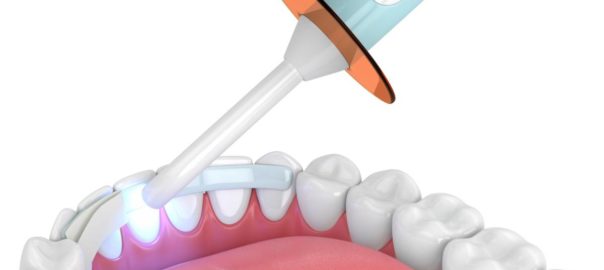
During the dental bonding process, your dentist will use a small amount of the composite material to fill in the spots of your tooth broken by chips or cracks. Then, a non-contact laser light will be held up to the composite material to dry it in place. You’ll be able to enjoy new cosmetic fixes that restore your teeth back to new while preventing further damage from breaks and cracks.

Fillings and Bondings – What to Expect

Dental fillings and dental bonding use the same materials, but they are applied to your teeth in different ways. Dental bonding is usually seen as a cosmetic dentistry treatment. Also, dental fillings are used to prevent the spread of decay. Both procedures have health and aesthetic benefits that you can take advantage of when you schedule an appointment with your local dental experts.

Your teeth may feel a little sensitive after the procedure, although you should not feel any pain. Make sure to eat soft foods that are not hot or cold as your teeth adjust to these new changes.

Find the Best Dental Treatment for Your Teeth ASAP

At Samaritan Dental Arts, we offer a wide range of services and treatments to help you bring out your very best smile. From dental fillings to cosmetic dental bonding, you can invest in professional dental treatments for the betterment of your health. Get in touch with our experts today. You can schedule a one-on-one consultation so you can address your oral health needs as quickly as possible. Call us today!

Man smiling after his filling.

Tips for After Your Filling

Dental fillings are common dental procedures that can help treat your cavities and get rid of infection. While fillings happen all the time, you may not know exactly what to do after you get one of your own. If you are planning an upcoming trip to your Downtown LA dental office to get some cavities filled, don’t fret – our experts will tell you what to do with these tips for after your filling.

Tips for After Your Filling

Here are some easy-to-learn tips for after your filling that will help you enjoy a quick and smooth recovery process.

The Filling Procedure: What to Expect?

Does it hurt to get fillings? Should you expect pain after a procedure? Dealing with cavities is no fun, but it is easy and fast to get them filled. Your dentist will likely numb the area around the affected tooth before drilling a hole in the cavity. Your local experts will clear out the source of infection and fill the cavity with a dental composite material to keep it protected from further decay.

Will There Be Pain?

Having your cavities filled is usually not a painful process while it is happening, because your dentist will provide you with numbing medicine to keep you comfortable. After the filling procedure and the numbness wears off, you may feel a little bit of pain. It is normal to feel pain and sensitivity in the area where you had your cavities filled. Usually, this pain goes away after a day. If the pain persists for several days, it is important to contact your local dental experts right away.

Can I Still Eat?

Patients often want to know whether they should avoid eating after a filling procedure. It is recommended that you avoid chewing on the location of your filling for at least one day before resuming normal activities. Try chewing on the other side of your mouth, or eat only liquids so you don’t have to chew. Your dentist will likely give you better care instructions detailing exactly how you should care for your mouth after the filling is complete.

What if I Can Feel the Filling?

Dentists do the best job that they can to perfectly measure the filling material. Sometimes, a little might be sticking out after the treatment is complete. You will feel this when you bite down, chew, or speak. It may prevent you from being able to properly close your mouth and enjoy your smile. If this problem persists, you can return to the dentist’s office to have part of the filling shaved off. The goal is to create a filling that blends in with the rest of your tooth, both in color and in shape.

If Pain Persists

If you feel pain after the filling procedure, your dentist may prescribe an over-the-counter solution to help the pain subside. You will want to treat the affected area gently until it is fully healed. Avoid eating, brushing, and flossing near that tooth until the pain goes away. Painkillers shouldn’t be needed after a simple filling procedure, but it is important to communicate with your dental expert if you feel that you are experiencing abnormal pain.

Act Fast and Get the Best Dental Fillings Today

Cavities are common occurrences, and you can get a small and simple filling to immediately stop the spread of infection. The longer you wait to get a cavity filled, the more you are susceptible to illness and pain. Get ahold of your local experts today and find out about getting the best dental fillings in DTLA. The procedure is fast, easy, and typically pain-free. We are here to answer any questions or concerns you may have about your dental care plan. Call us today!

smiling man in dentist's chair

Are Regular Dental Checkups Important?

From a young age, you are often told that regular dental visits are crucial for keeping up with good oral health. But are regular dental checkups important enough to get twice a year? What happens when you visit your dentist for a checkup? What oral health issues can be avoided with yearly regular dentist visits?

Are Regular Dental Checkups Important?

A dental checkup is important in order to receive the best preventative dental care possible. Avoid serious health issues and make sure that all is in working order so you can enjoy a long life of good health. Keep reading for more important tips and facts about regular dental checkups!

Dental Visits Explained

What happens when you show up for a regular dental visit? If you don’t have any particular issues and you feel that you are in good health, you might be wondering why you have to be at the dentist’s office in the first place. The best way to prevent oral health issues is to catch symptoms early, and avoid problems before they arise. This is the biggest accomplishment of a dental checkup appointment.

There are actually two steps involved with your regular checkups:

X-Rays and Teeth Examination

The first part of the appointment will involve having x-ray images taken of your teeth and jaws. These images will help the dentist see any issues underneath the surface of your teeth and gums. Your dentist will also perform a physical exam, using tools to scrape off plaque and remove bacteria from your teeth.

Gum Examination

After the dentist has inspected and cleaned your teeth, they will also want to look at your gums. Special tools will be used to gently scale your gums and check for any signs of gum disease. While the dentist examines you, he will also look for signs of swelling, soreness, bleeding, or redness.

The Best Dental Cleaning

The last part of your visit will involve a deep clean. This is the part of the appointment that most people look forward to, as it can feel good to have your mouth thoroughly cleaned by a professional. This type of dental cleaning may include:

  • Scraping plaque and tartar off of the teeth
  • Flossing between the teeth
  • Brushing the teeth with a special cleaning powder
  • Polishing your teeth

If there are no oral health issues at play, or if the dentist does not find any risk of infection or cancer in your mouth, you do not have to return to the dentist for at least six months. By practicing good oral hygiene habits at home, you can continue preventing diseases while you wait for your next general dentistry appointment.

Oral Hygiene Habits at Home

The best way to continue preventing disease and infection is to maintain good oral health habits at home. The dentist can provide professional cleaning, but there are plenty of things you can do on your own to keep your mouth in tip-top shape.

Remember to brush your teeth at least twice per day. Use fluoride toothpaste to strengthen the enamel and encourage bacteria prevention. You should also floss at least once a day to get rid of old food particles. If you are dealing with a toothache or you have another oral health concern, don’t hesitate to get in touch with your local dentist right away.

Downtown LA Dentistry at Your Doorstep

Samaritan Dental Arts is home to your preferred DTLA dentist with specialties in many areas. For a quick cleaning, a full checkup, or a thorough prevention plan, get in touch with our experts today and schedule a one-on-one consultation. Our dentist is happy to help you get set on the path to good oral health. Inquire today!

Woman holding hand against jaw, pained expression

Leaving a Cavity Untreated: Bad Idea

Everybody knows that cavities are bad news. But something so common can’t truly be that bad, right? It is so easy to get fillings nowadays, but for a lot of people that takes away an understanding of just how dangerous cavities can be. Essentially, leaving a cavity untreated: Bad idea!

The longer you leave a cavity untreated, the more susceptible you are to decay, rot, and infection. Here is what your local DTLA dentist wants you to know about the dangers of leaving tooth cavities unattended.

Leaving a Cavity Untreated: Gateway for Infection

Cavities come from bacteria and plaque that builds upon the teeth after eating certain foods. If you don’t brush your teeth every day, that plaque will continue to build and can eventually get into the inner layers of your tooth. This creates a pocket of decay, also known as a cavity.

If this decay spreads to your bloodstream or the roots of your tooth, you may experience symptoms of pain and swelling. This is a sign that your cavity has caused an infection, which must be treated right away before it spreads further.

Broken Teeth Abound

If a cavity does not cause an infection, it can still spread throughout your tooth and weaken it from the inside out. As your tooth rots and decays, it will fall apart and crack easily. This cavity can spread to your other teeth, making them brittle as well. In order to save your natural tooth, you must get in touch with your trusted dentist right away. In some cases, treating a cavity can even mean the difference between life and death.

Continuing Complications

Untreated tooth cavities can cause an increasing number of health issues the longer it goes without care. You can suffer from the following complications of tooth cavities if you don’t visit your dental expert in a timely manner:

  • Sharp pain
  • Radiating pain
  • Infection around the tooth and gums
  • Swelling and redness
  • Tenderness in the mouth and cheeks
  • Trouble chewing or smiling
  • Increased risk of fracturing and breaking teeth
  • Tooth abscess

You should get in touch with your dentist at the first sign of the above symptoms. You should not be living with any kind of dental pain, and the discomfort you are experiencing as a result of this cavity is not normal. So, you need to seek your dental professional to learn what treatment and prevention measures need to be taken.

Deathly Consequences

An untreated cavity can have drastic results that can be so severe that they may even cause death. Cavities are a gateway to infection, which can spread fast the longer it goes untreated. As soon as an infection makes its way into your bloodstream, it can travel throughout the rest of your body, which has fatal consequences.

Without treating a cavity, you risk serious illness and death. Fortunately, modern cavity treatment is common and very accessible. Reach out to your dentist to learn more about treating your cavity and taking the pain away.

Get the Best Treatment for Your Cavity Today!

Cavities may be common, but that does not mean that they are nothing to worry about. A buildup of bad bacteria can cause pockets of your teeth to suffer from decay. If they are caught early enough, your dentist can add a filling that will save the integrity of your tooth and protect against further cavities. More severe cavities may need to be treated with a root canal or tooth extraction procedure.

Learn more about how you can treat your mouth to the best in dental healthcare at Samaritan Dental Arts. Call us today to schedule a consultation for cavity treatment at the first sign of tooth pain or discomfort. Don’t wait until it’s too late!